Ocean Song | Ocean View | Black Sands Trailhead

1 / 32
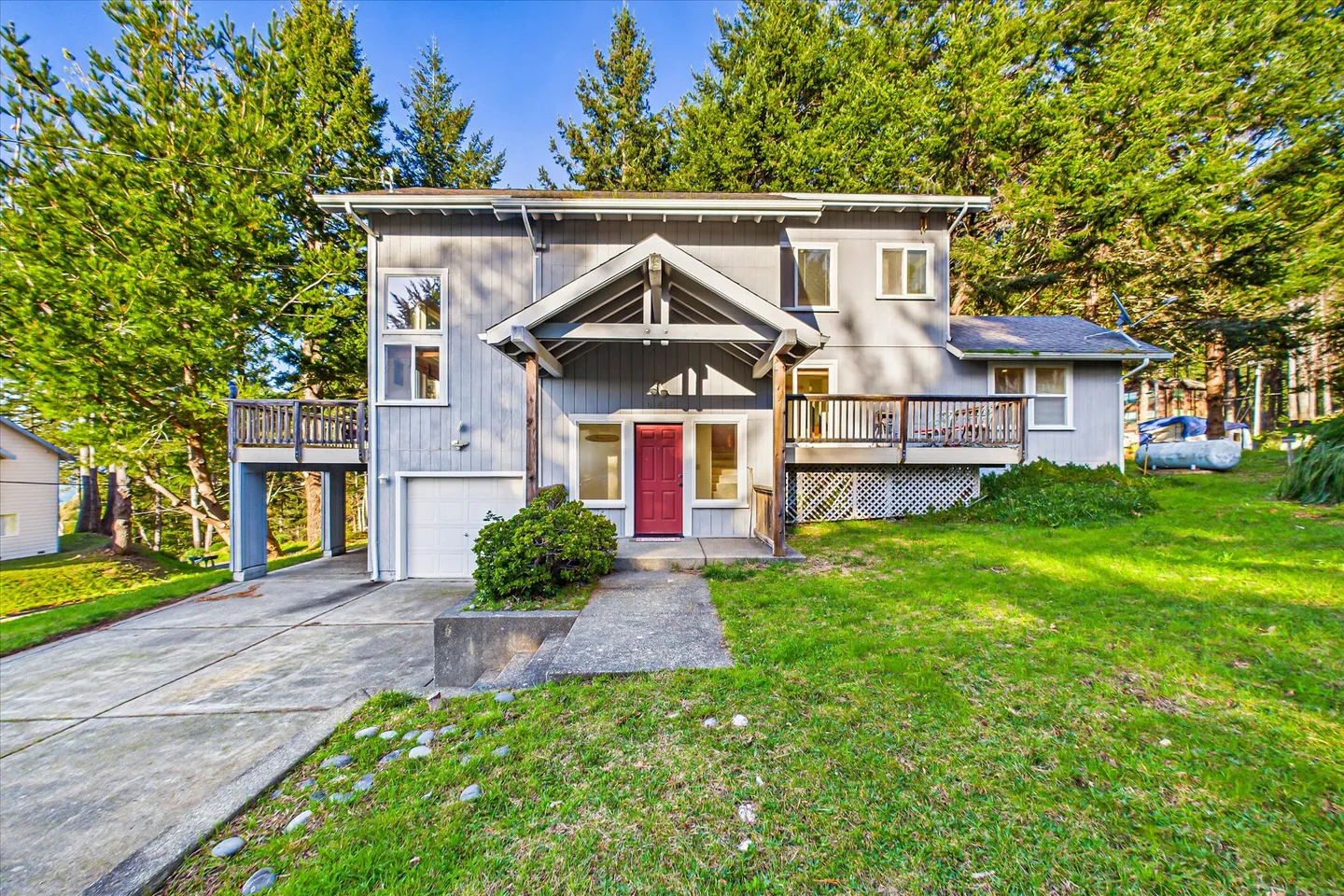
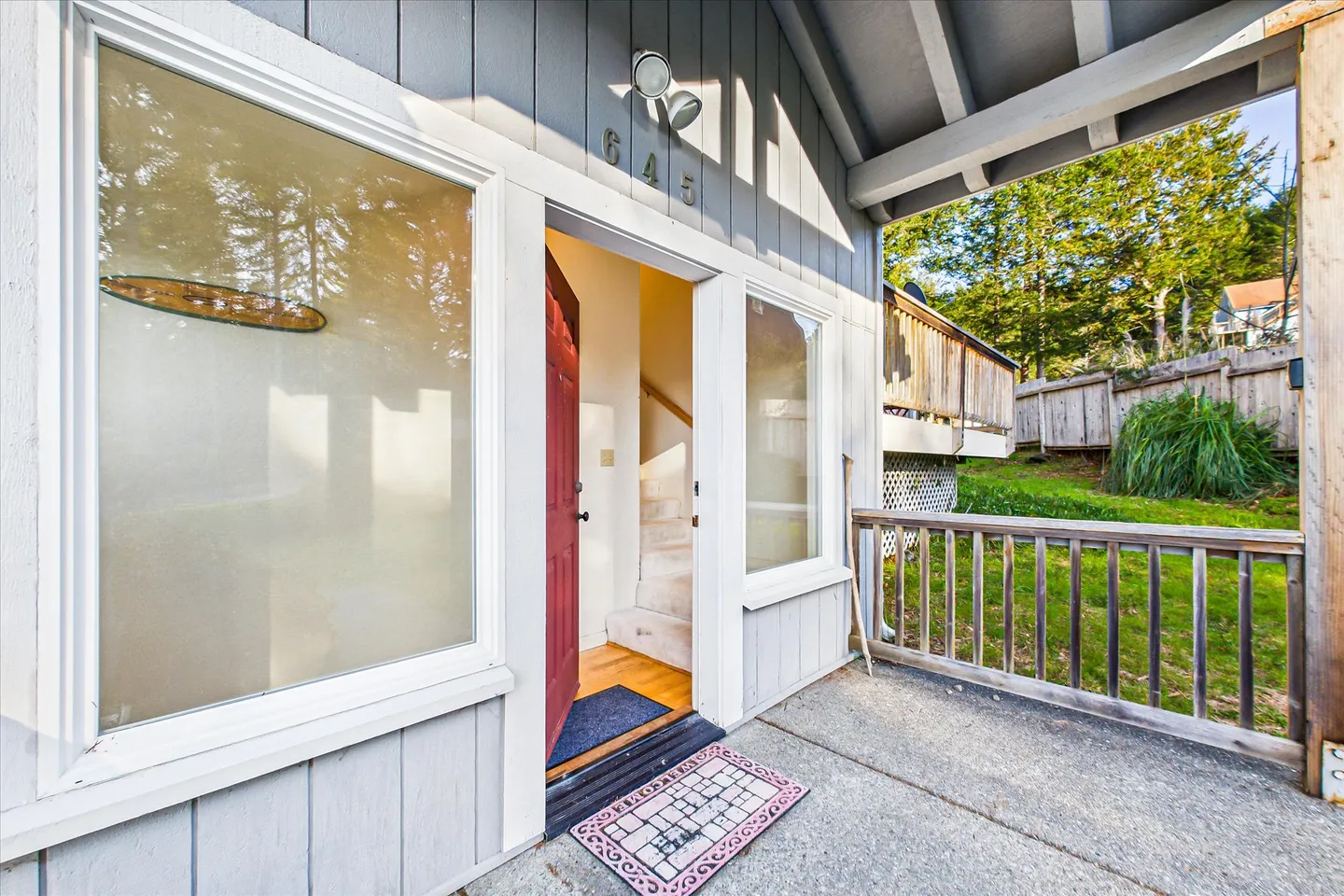
House in Whitethorn, California
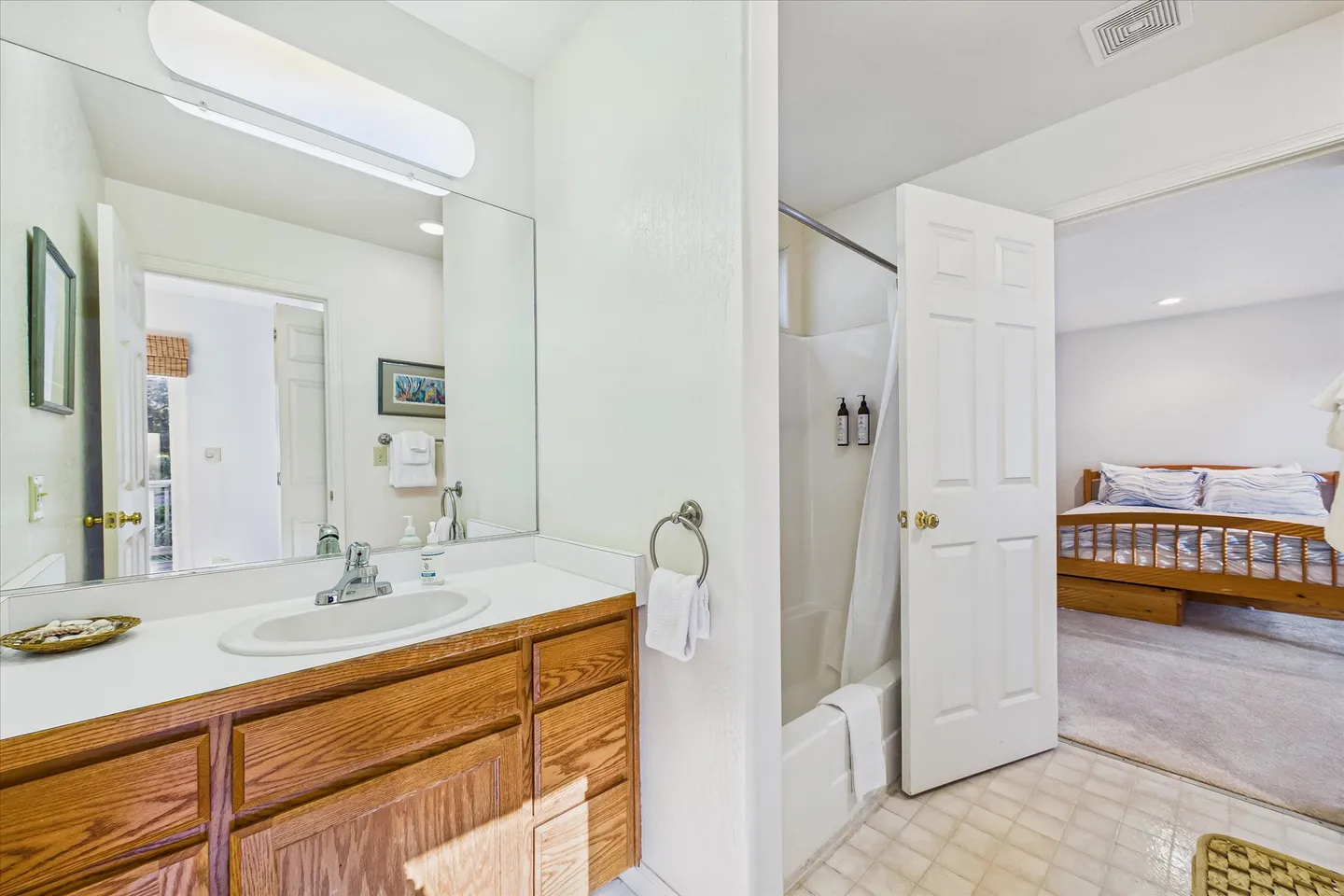
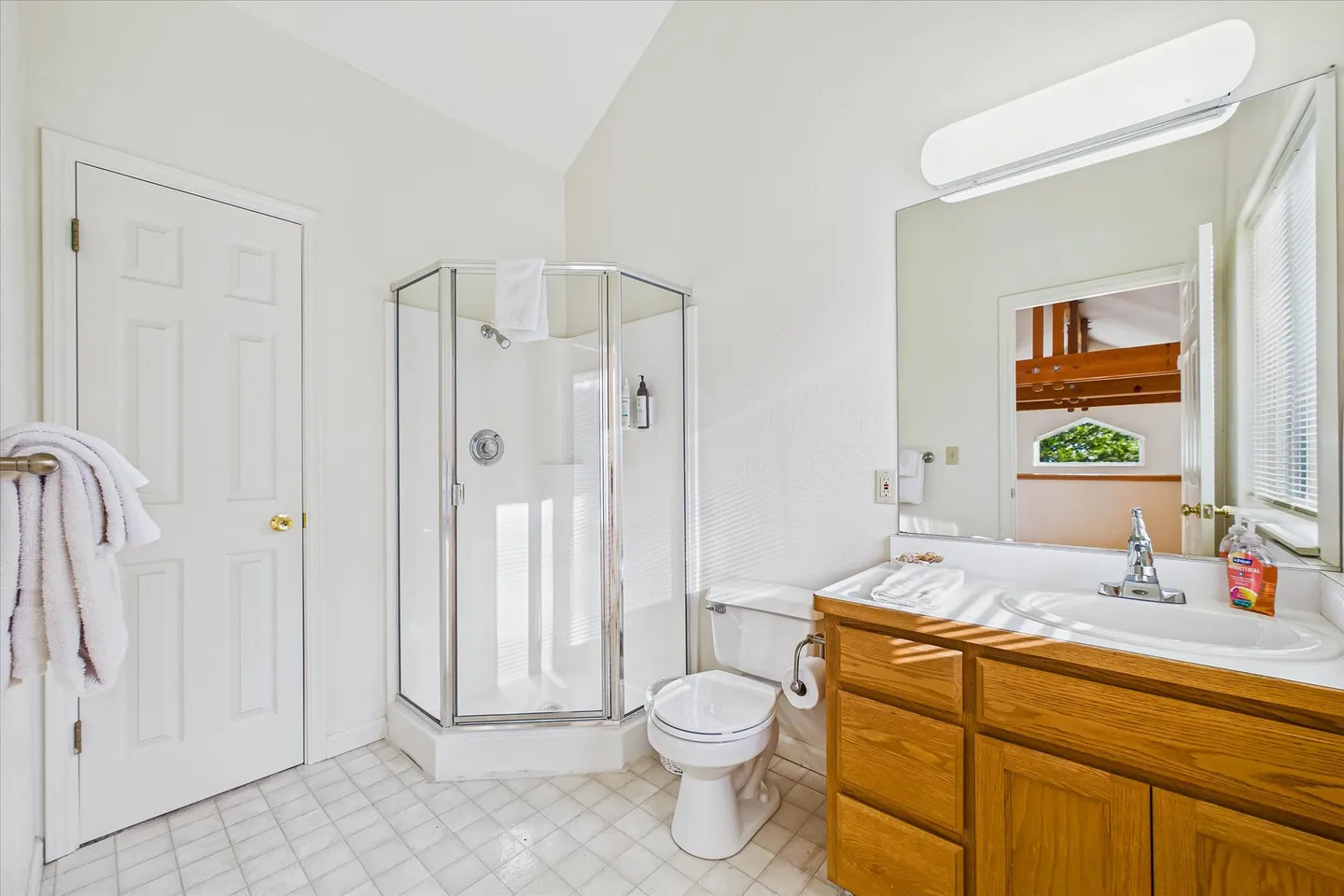
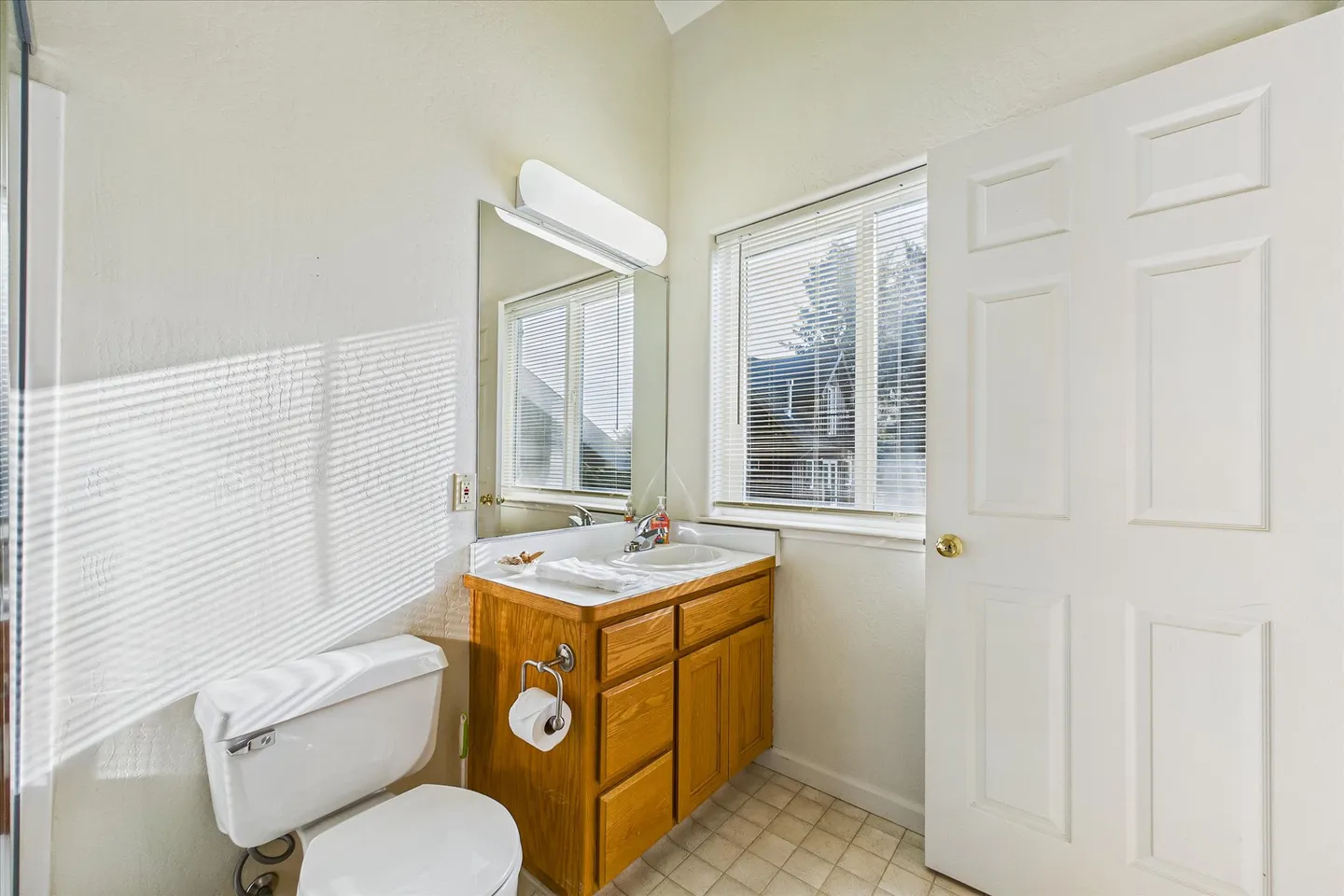
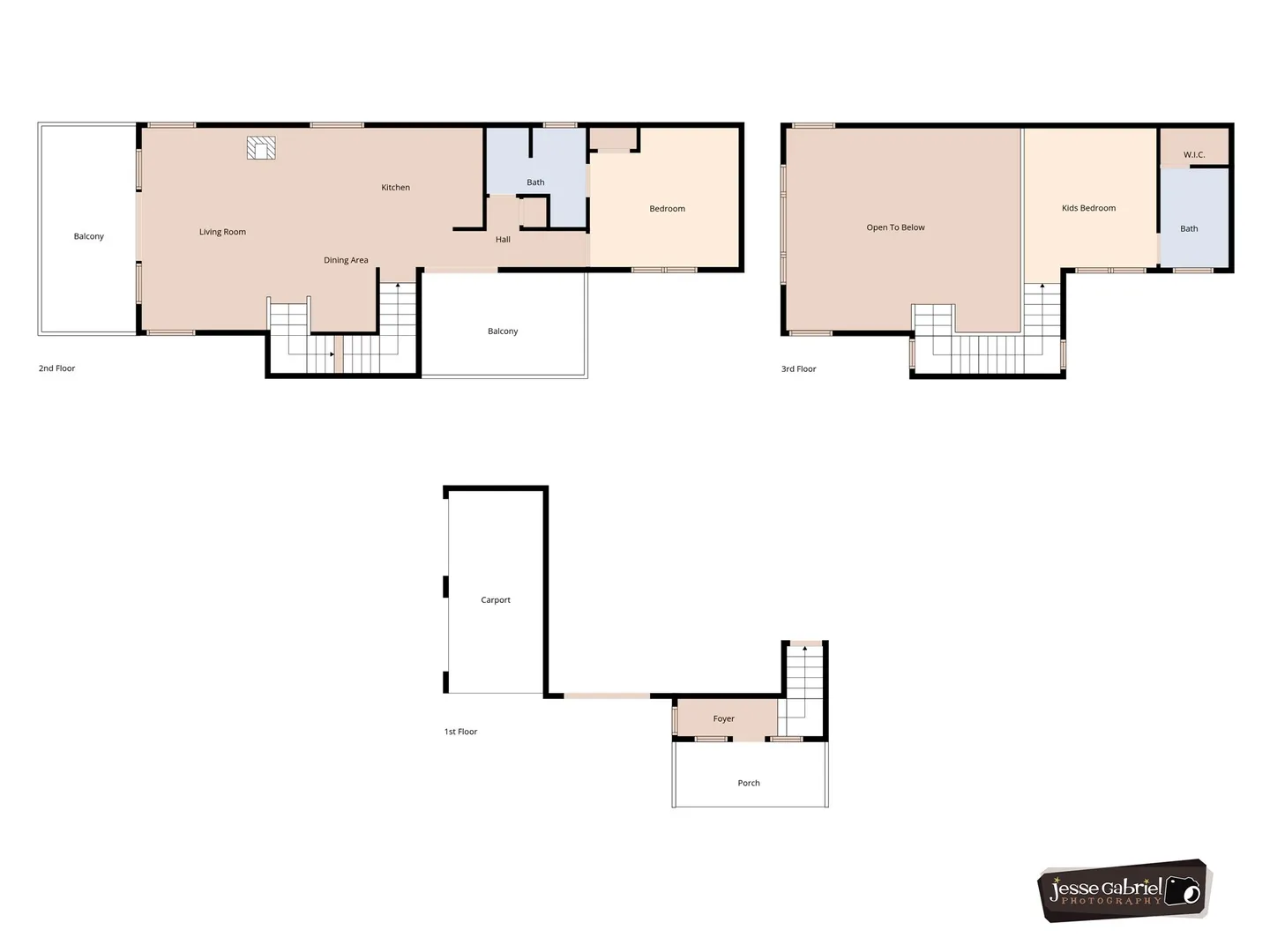
5 guests • 2 bedrooms • 3 beds • 2 full baths
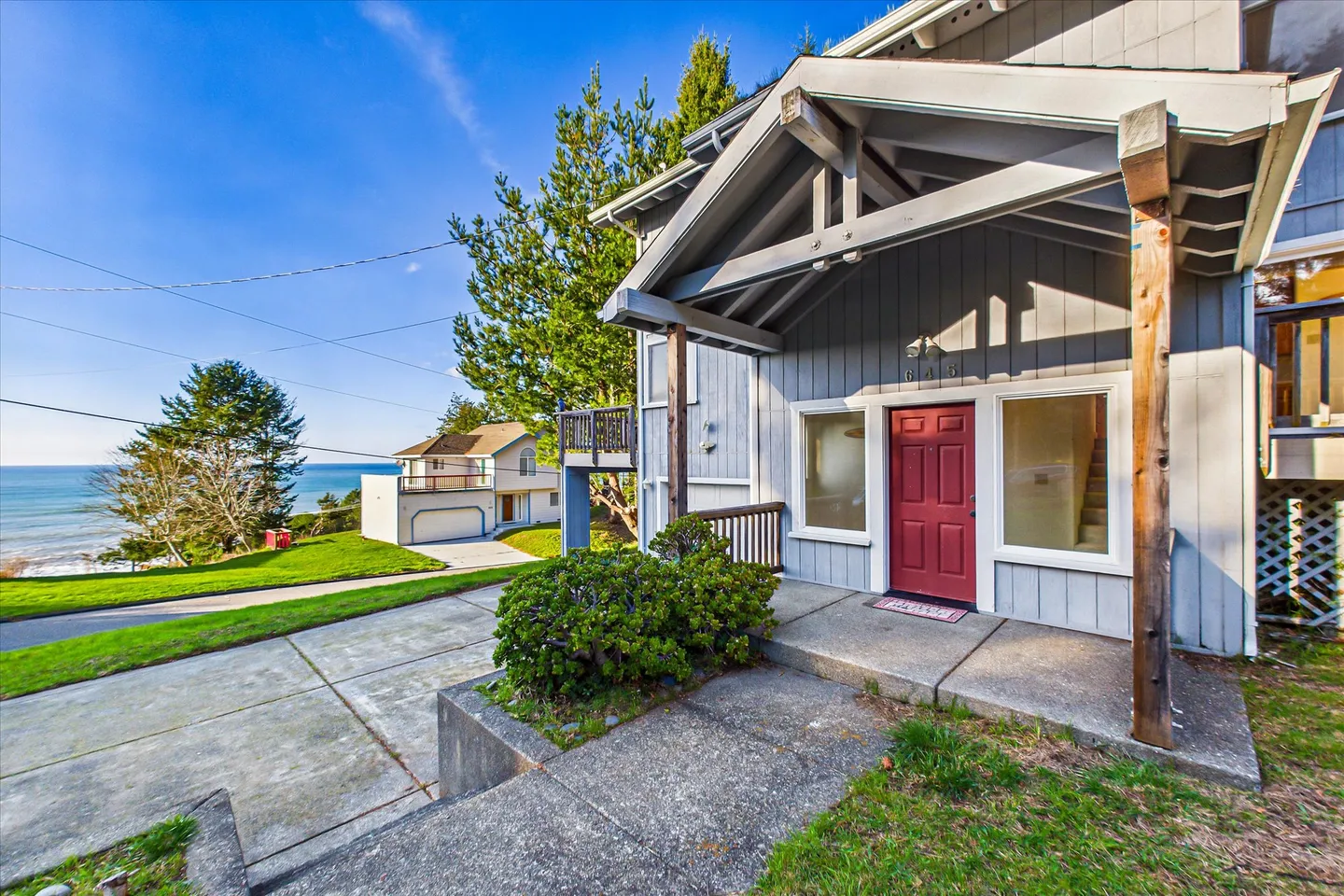
Tucked into Northern California’s dramatic coastline, this inviting retreat offers a peaceful escape where nature, comfort, and thoughtful design come together. Surrounded by coastal beauty and fresh ocean air, the home is an ideal setting for slowing down, reconnecting, and enjoying the quieter side of life.
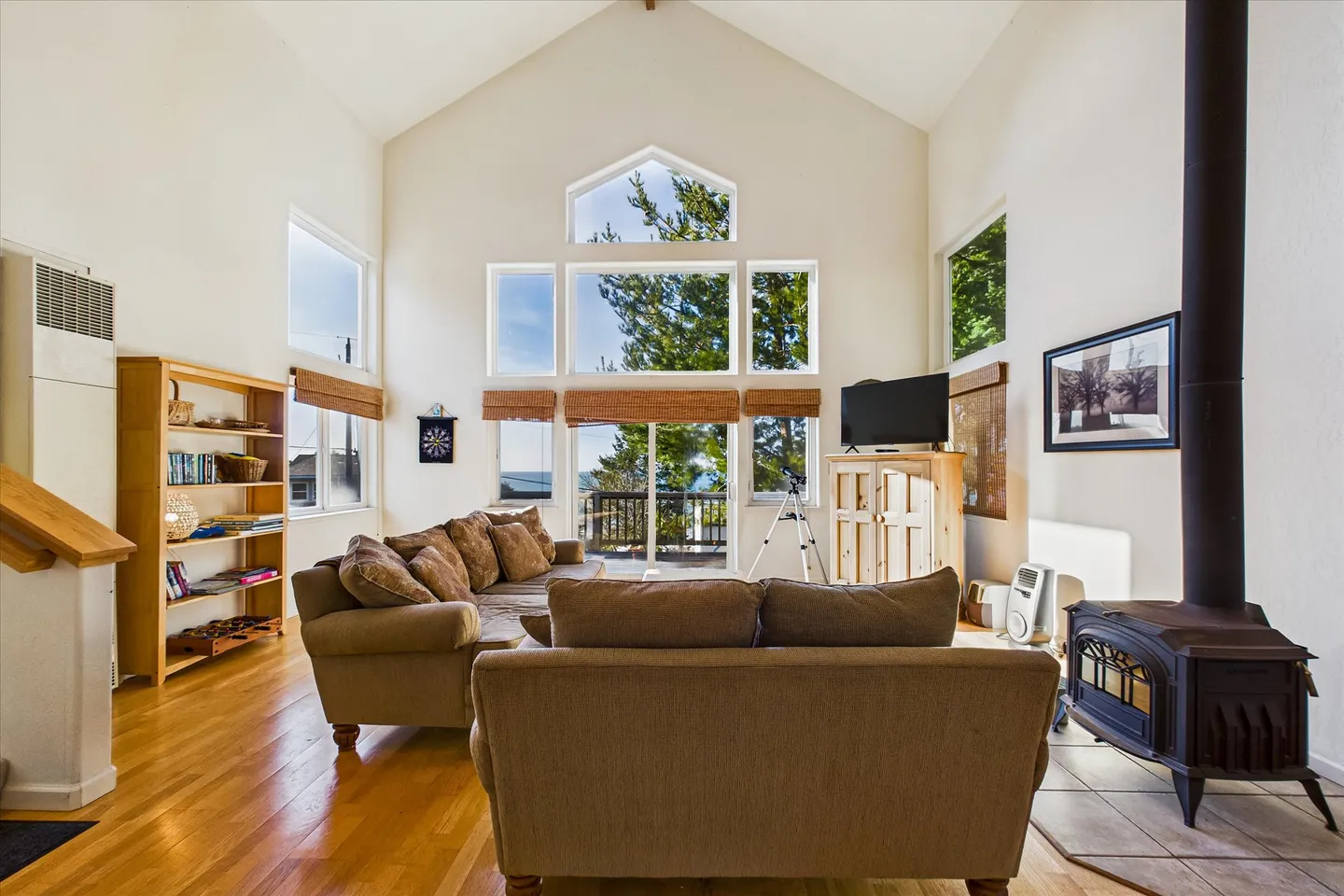
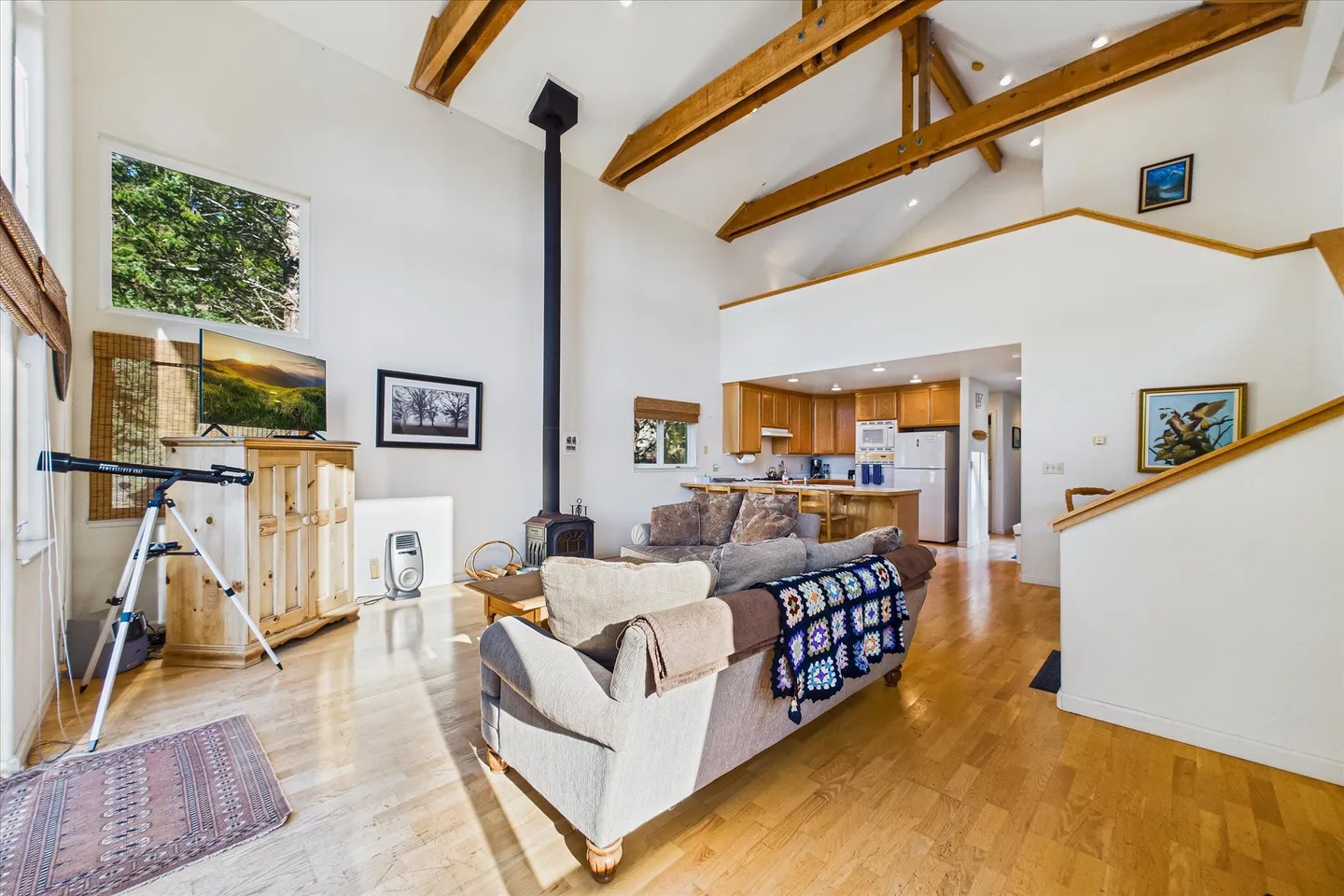
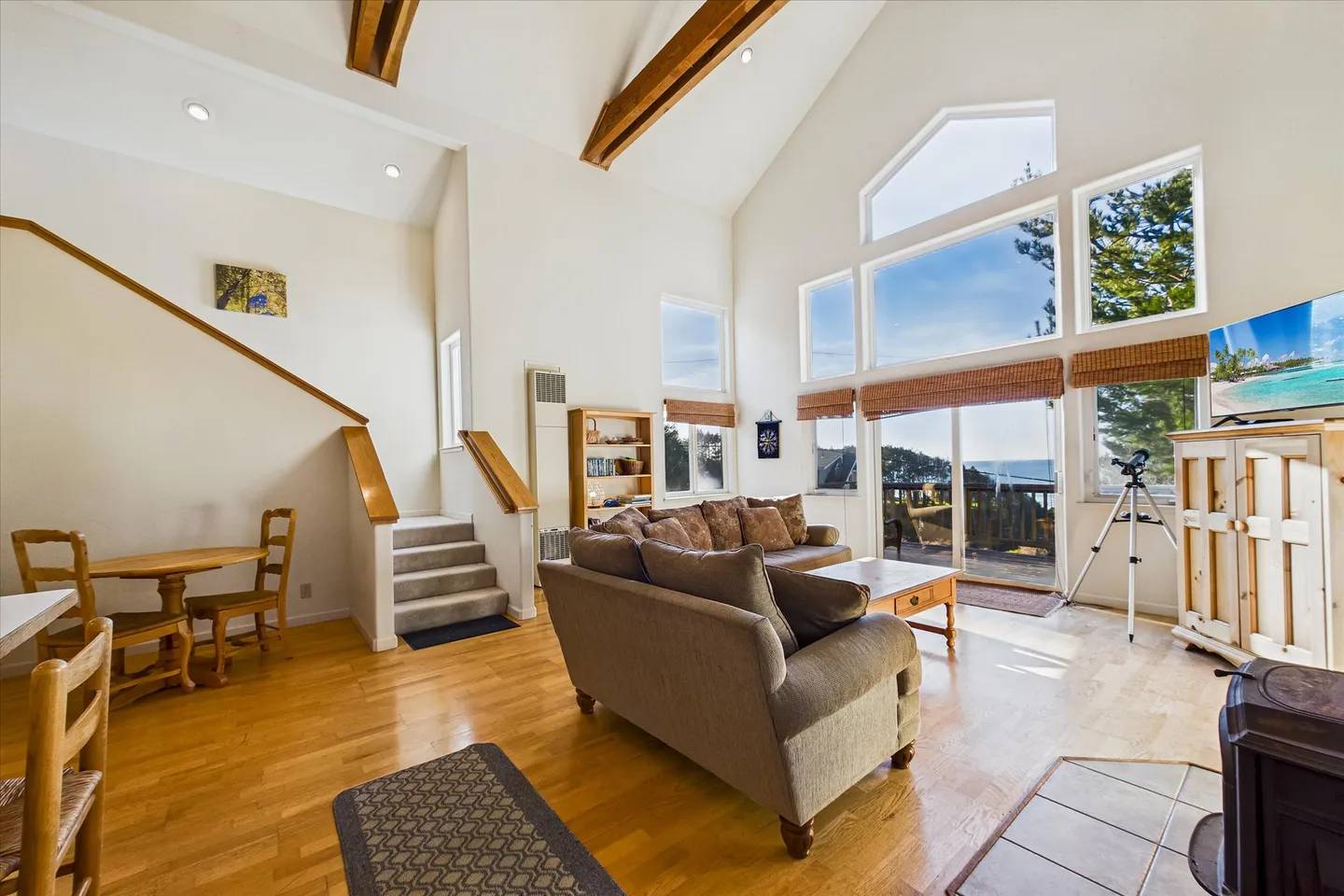
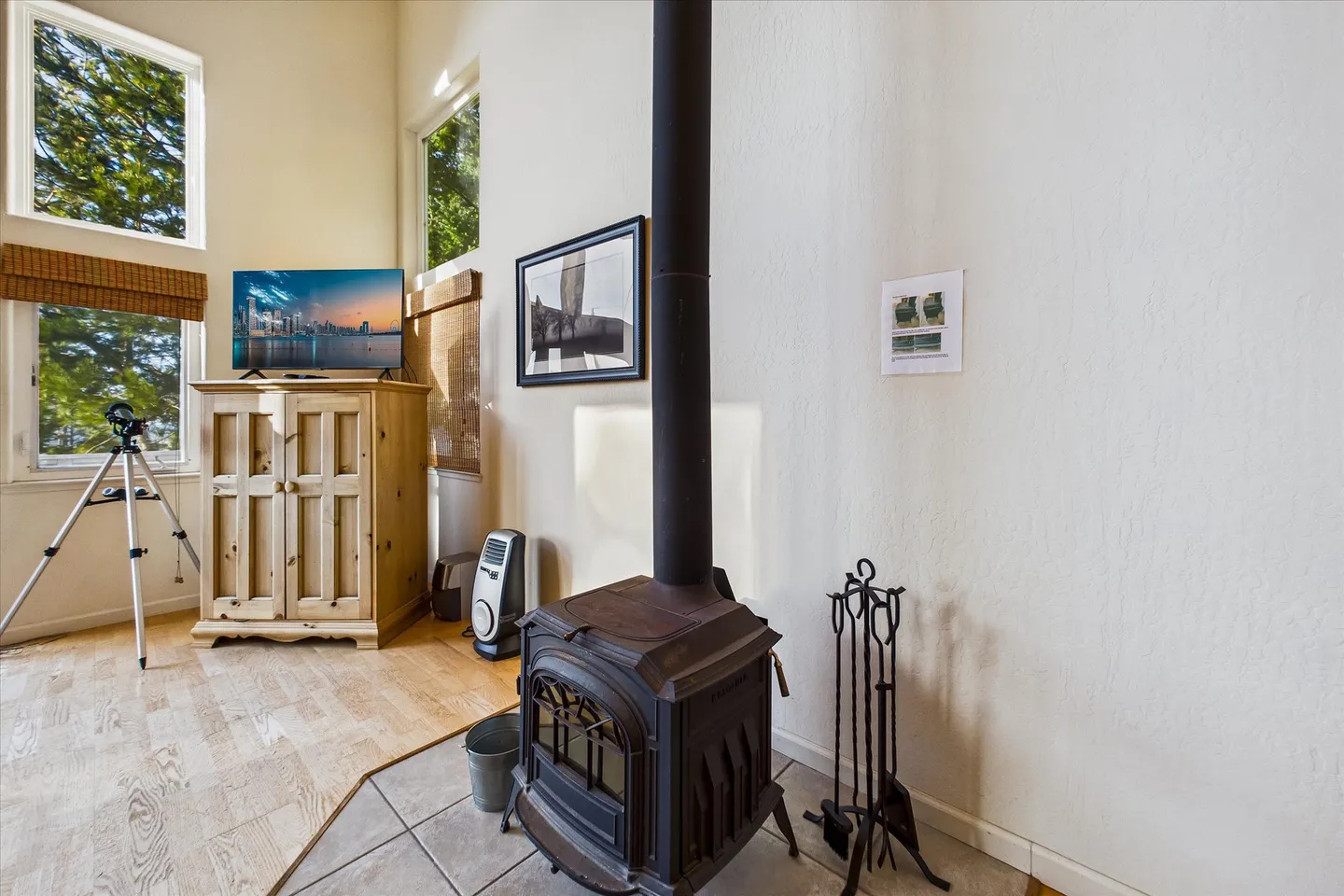
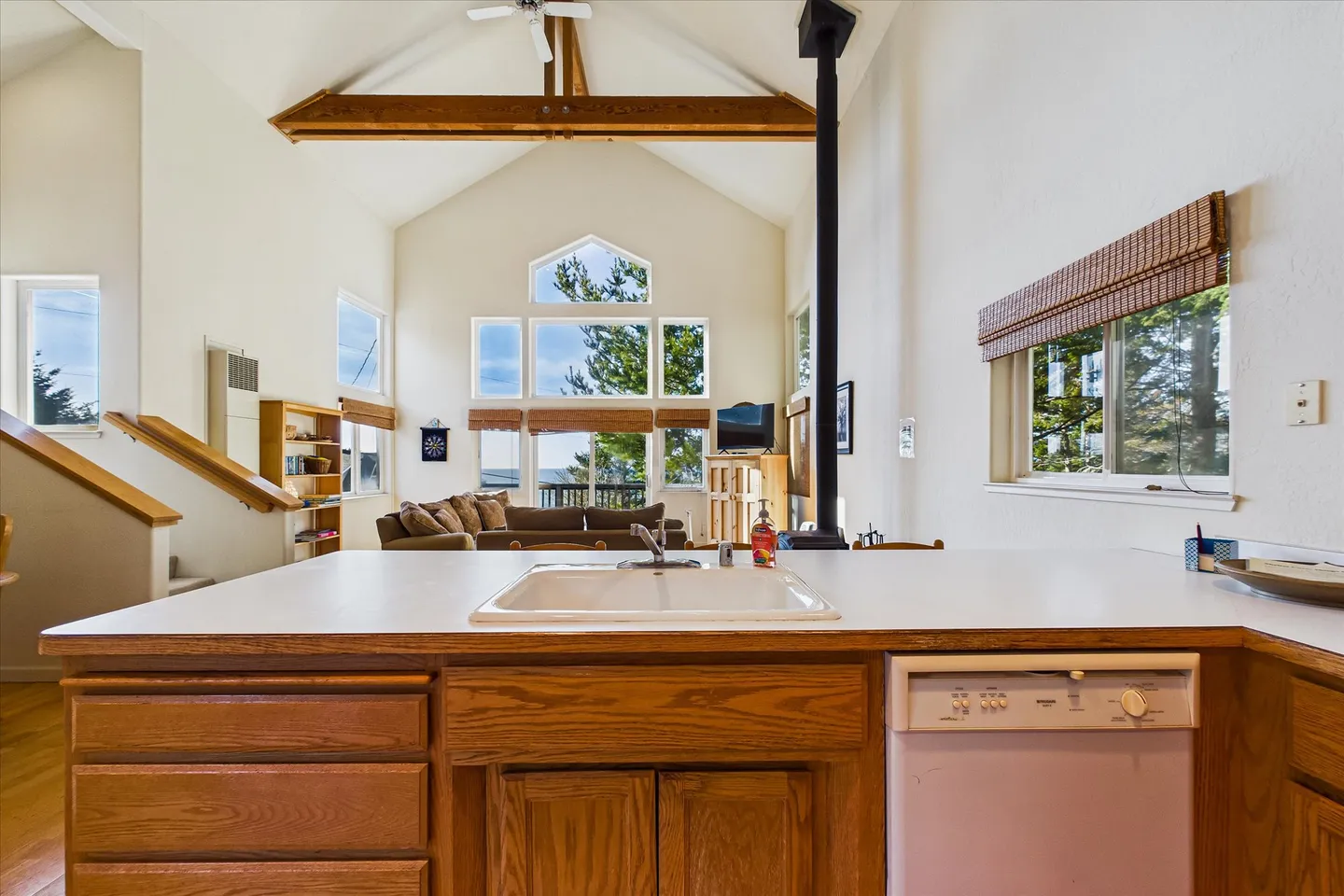
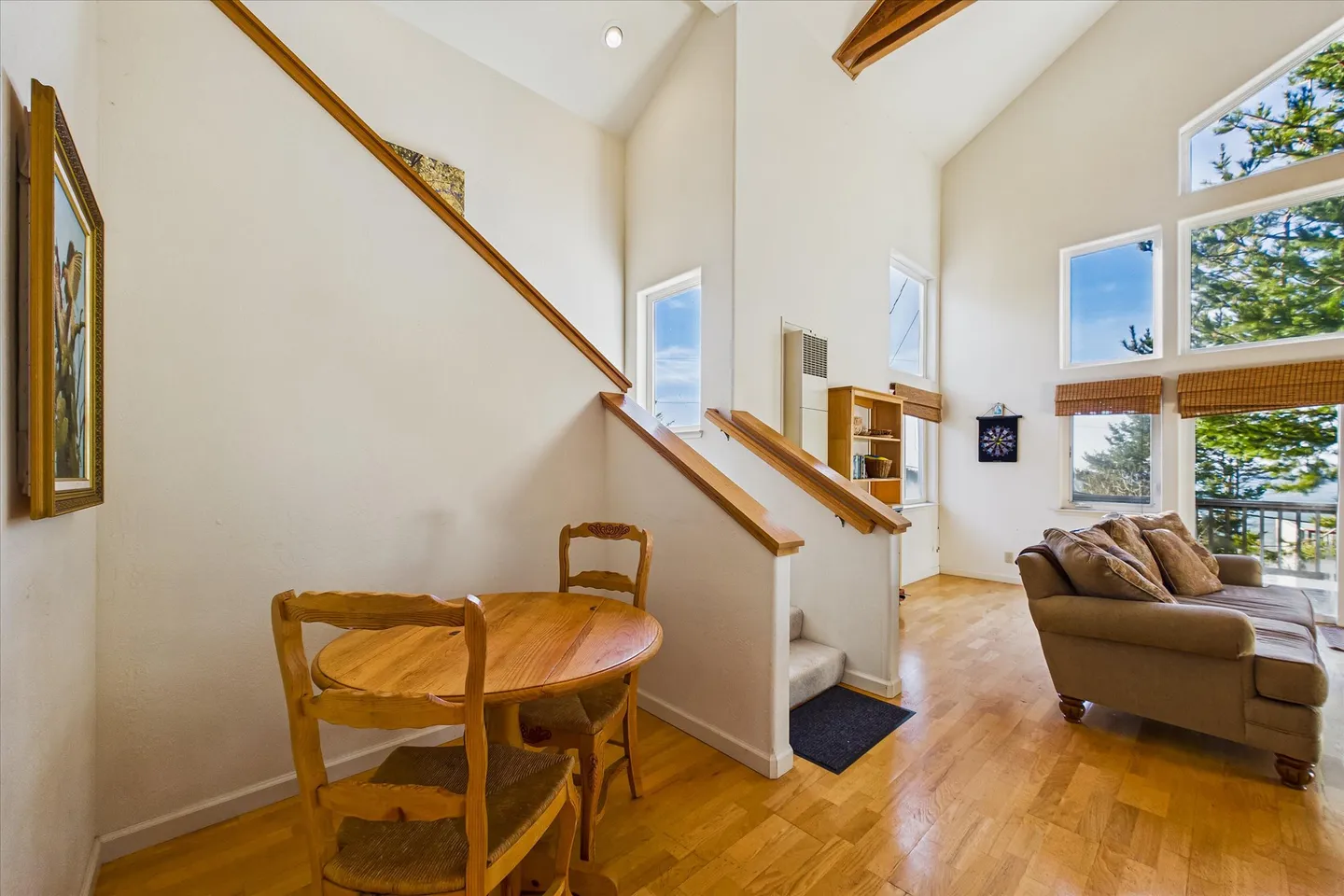
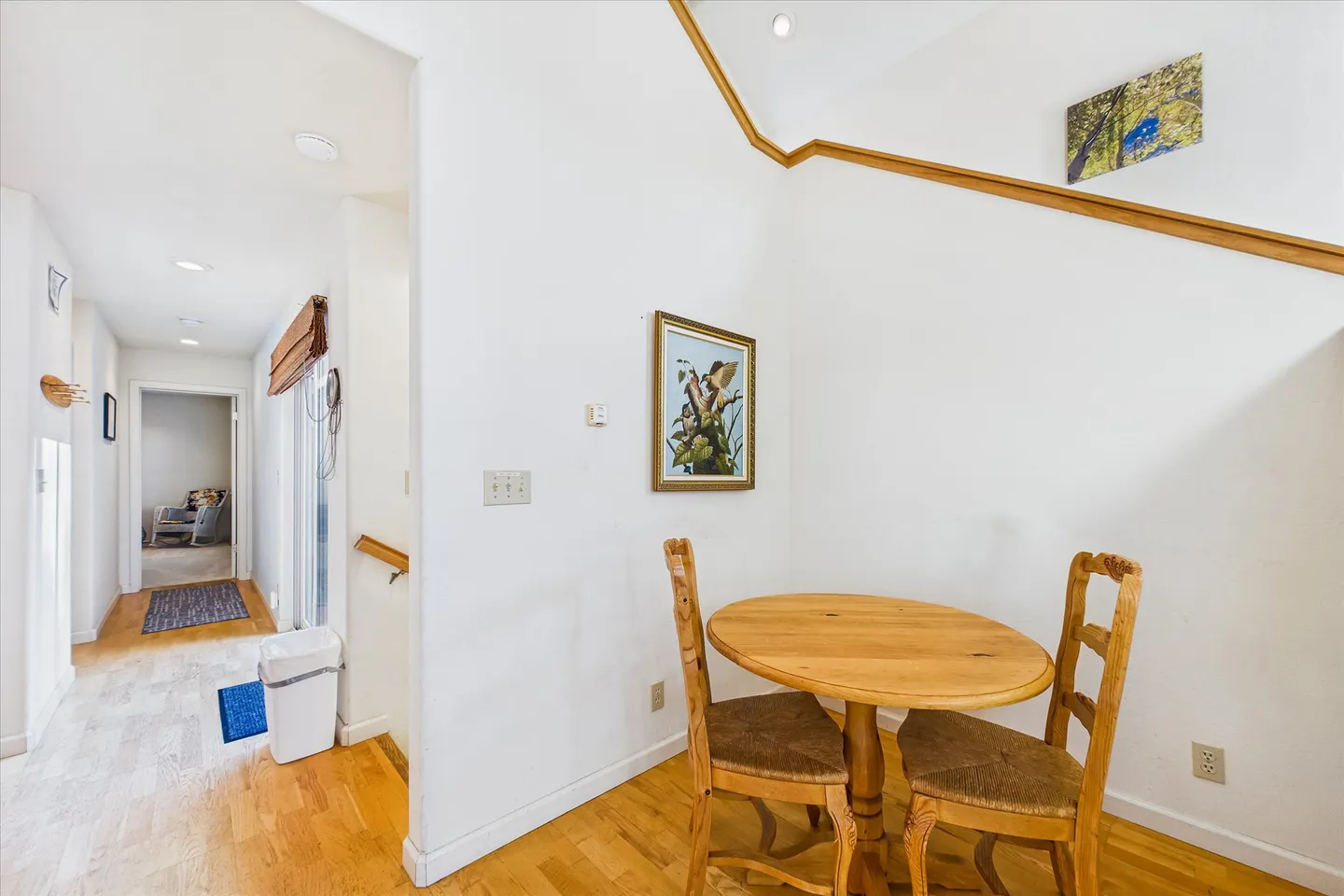
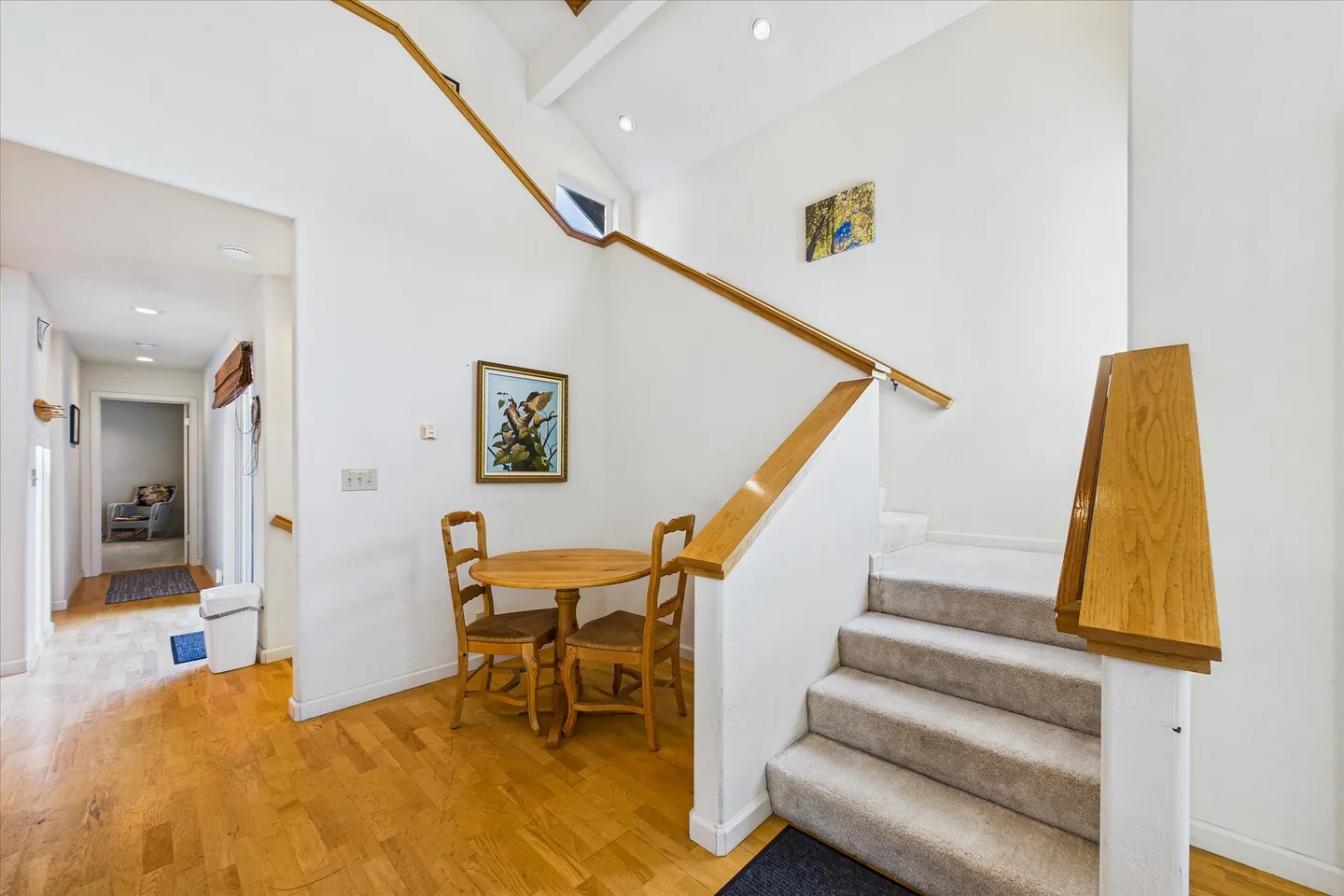
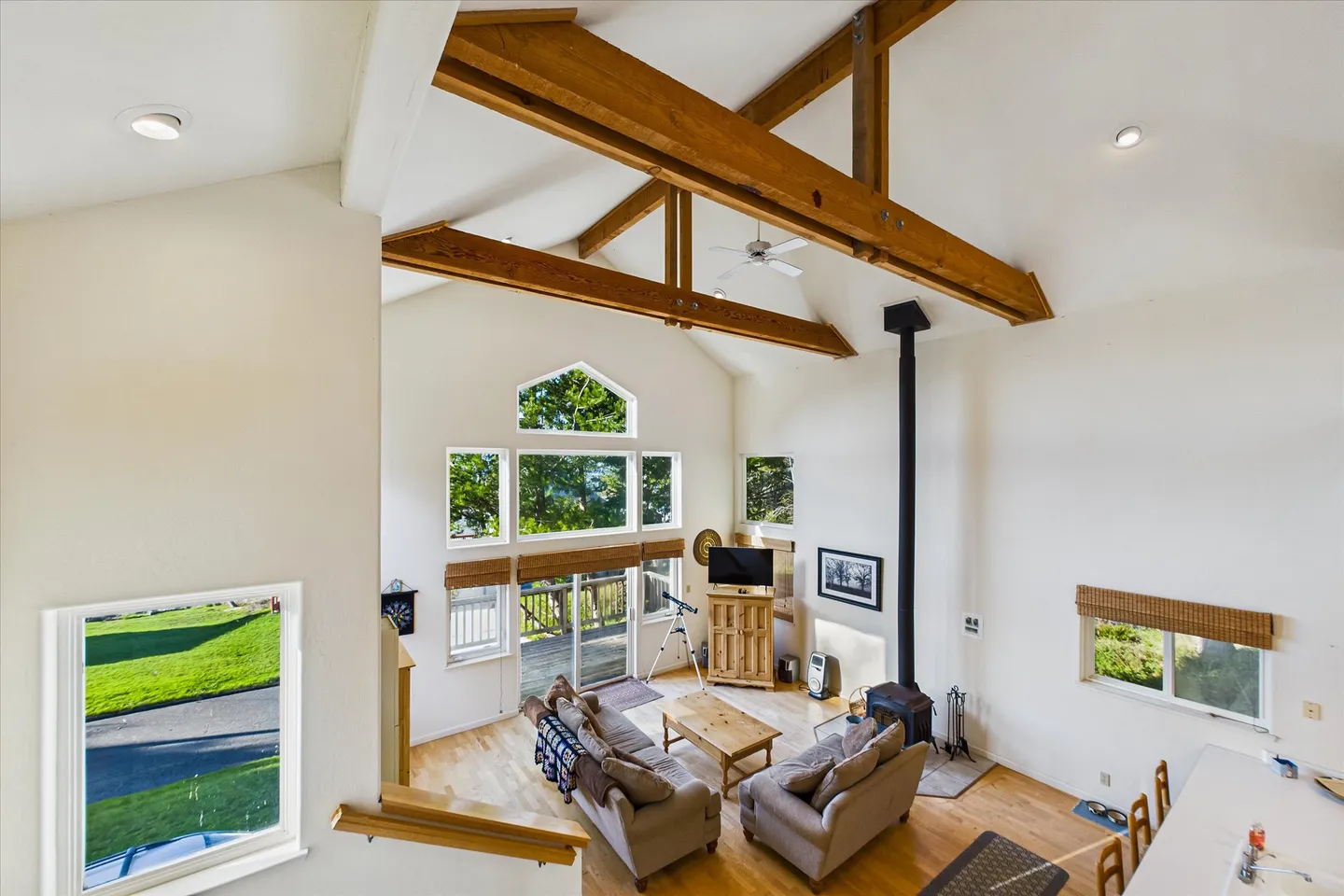
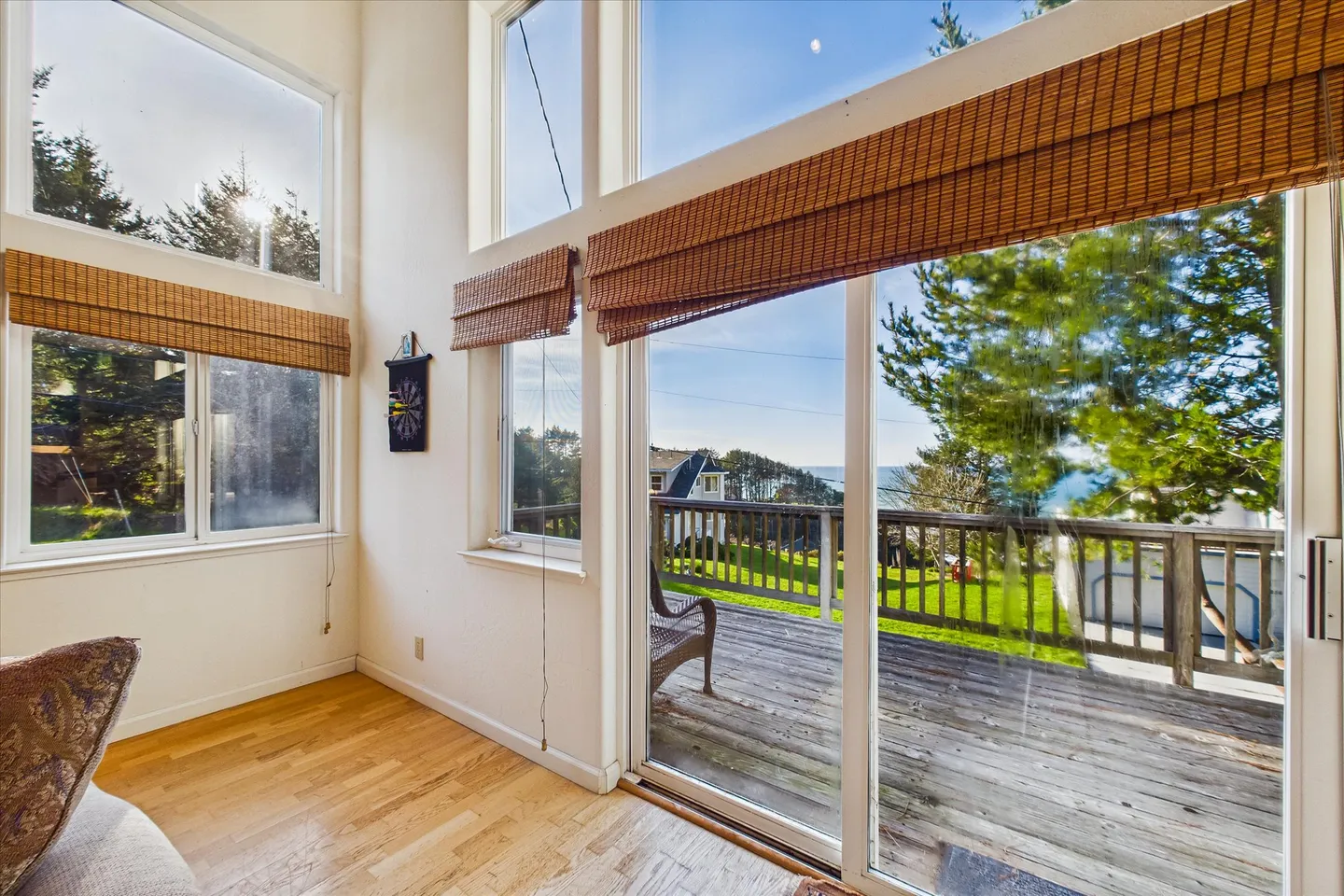
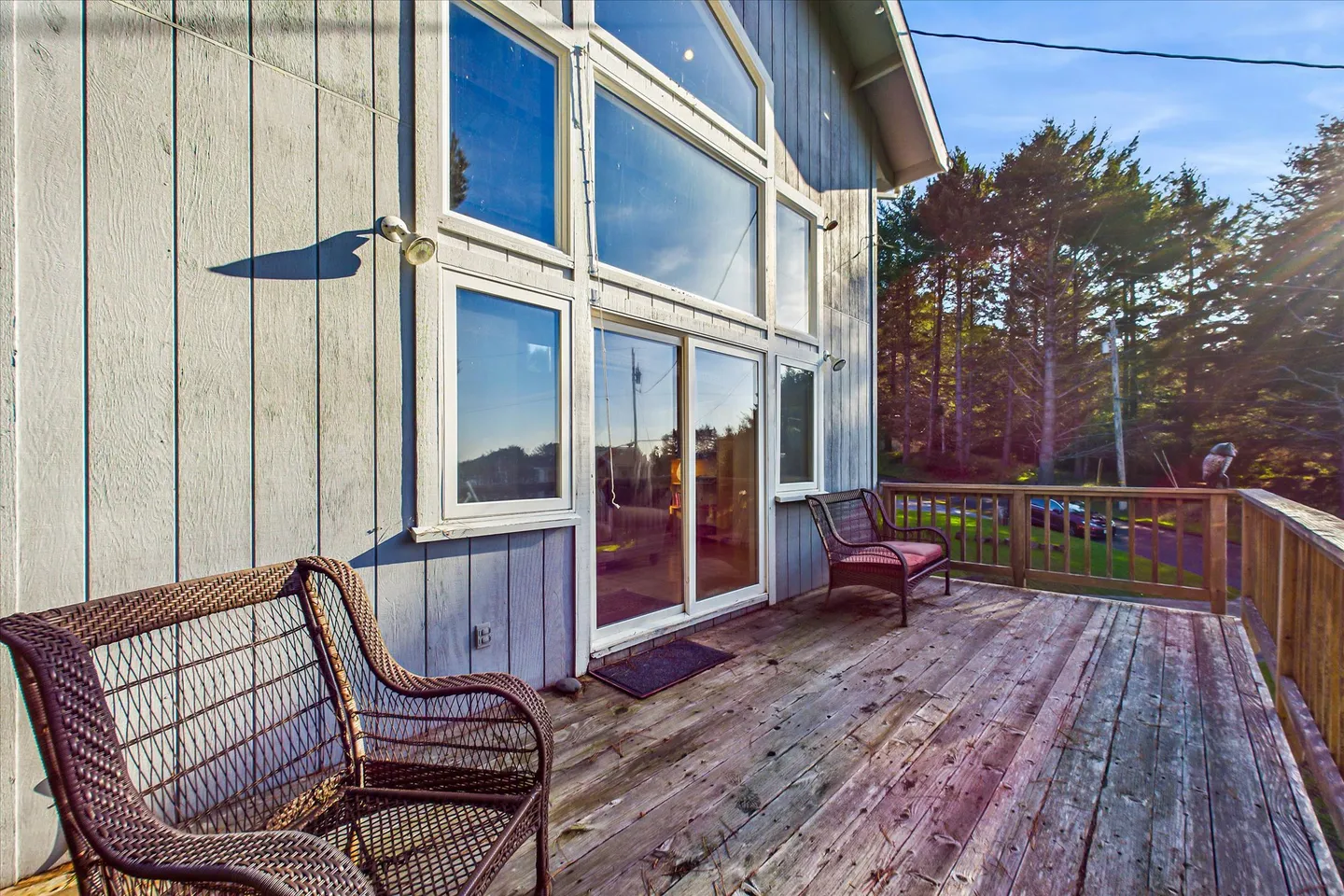
Inside, the home features an open and welcoming layout with comfortable furnishings and abundant natural light. Large windows frame scenic views and bring the outdoors in, creating a calm and airy atmosphere throughout the living spaces. The living room is perfect for relaxing after a day of exploration. Whether you’re curling up with a book in front of the wood stove, enjoying a movie night, playing games on the PS4 or one of the Virtual Reality sets, or simply listening to the sounds of the coast.
Sleeping Arrangements:
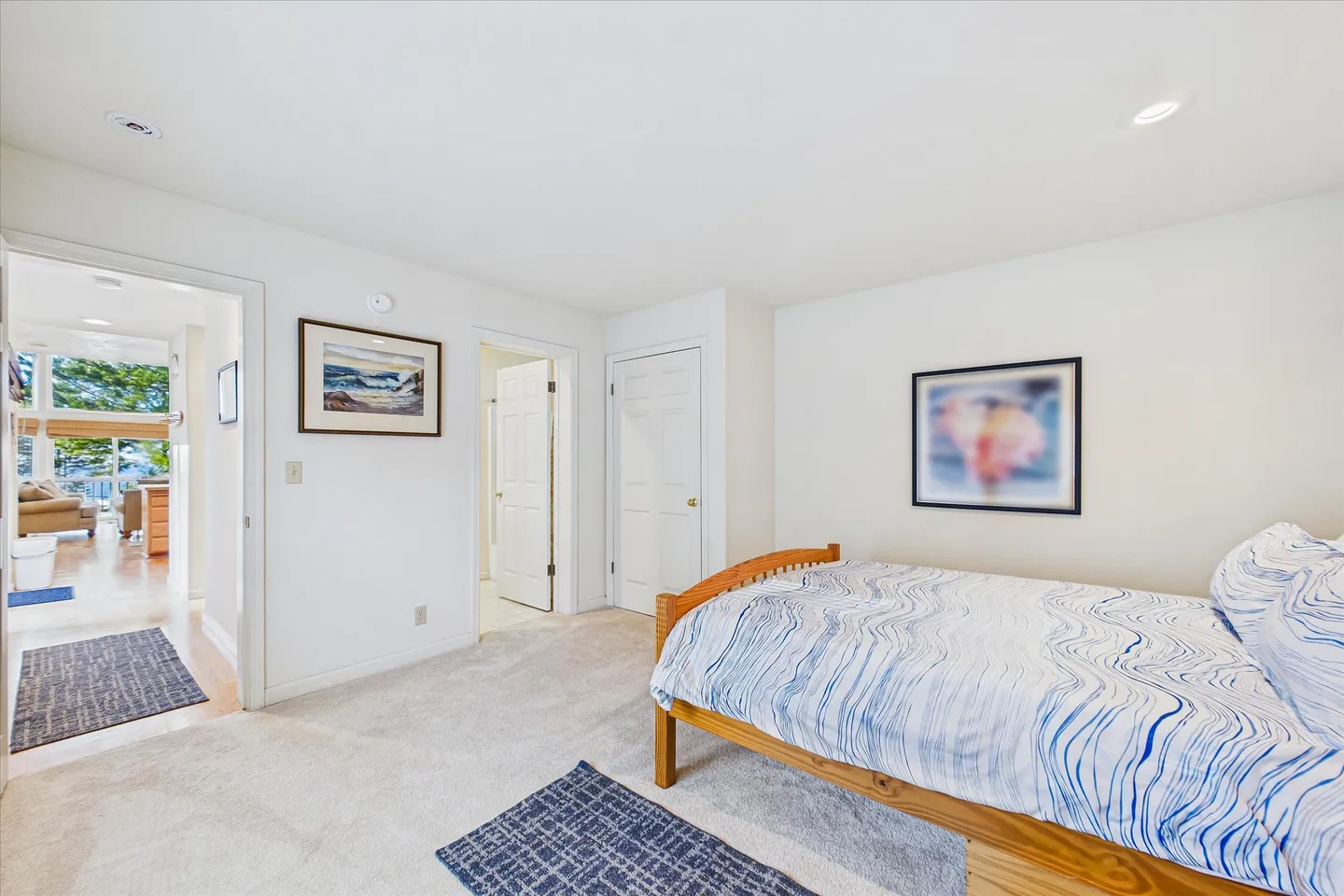
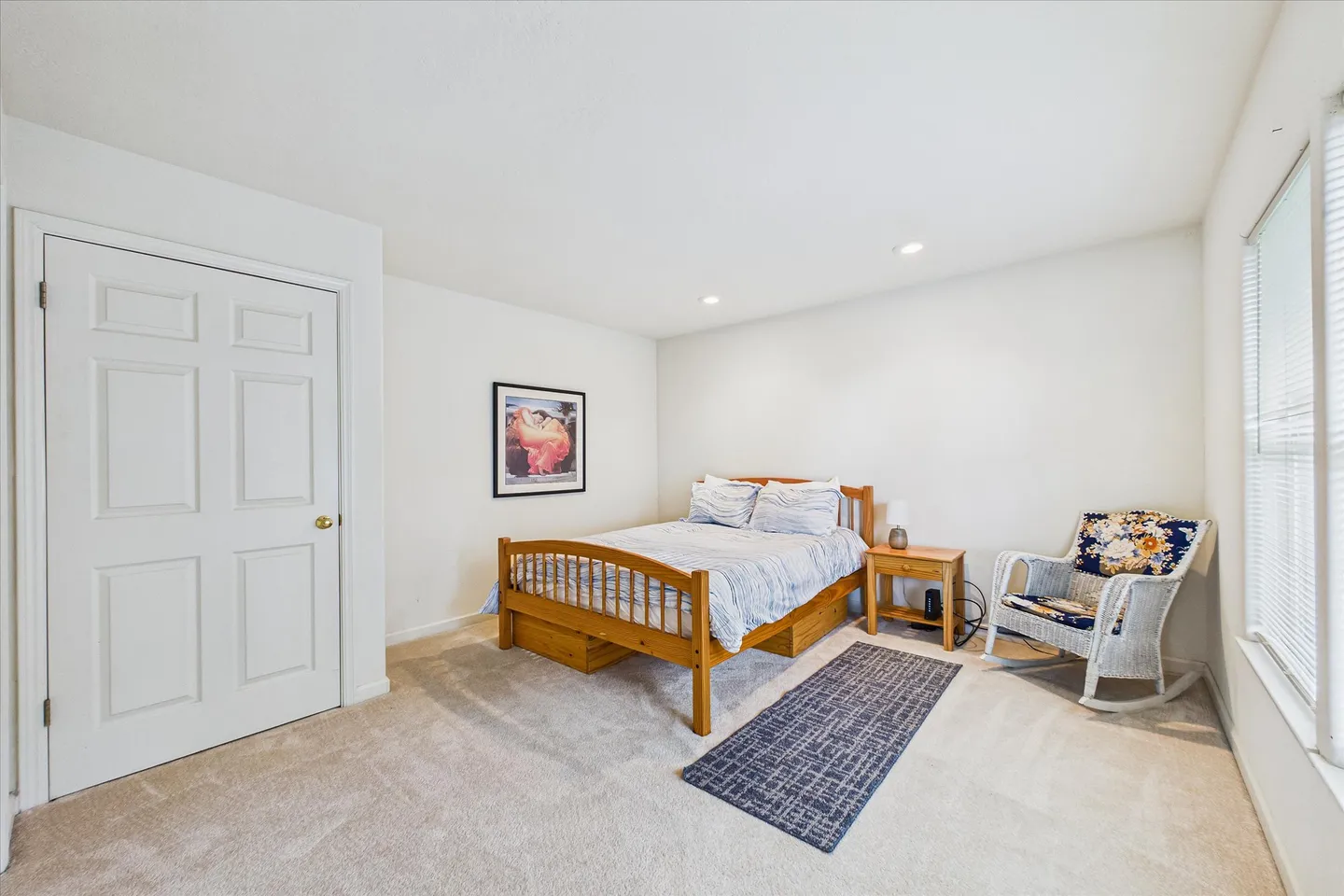
Bedroom 1: 1 Queen Bed
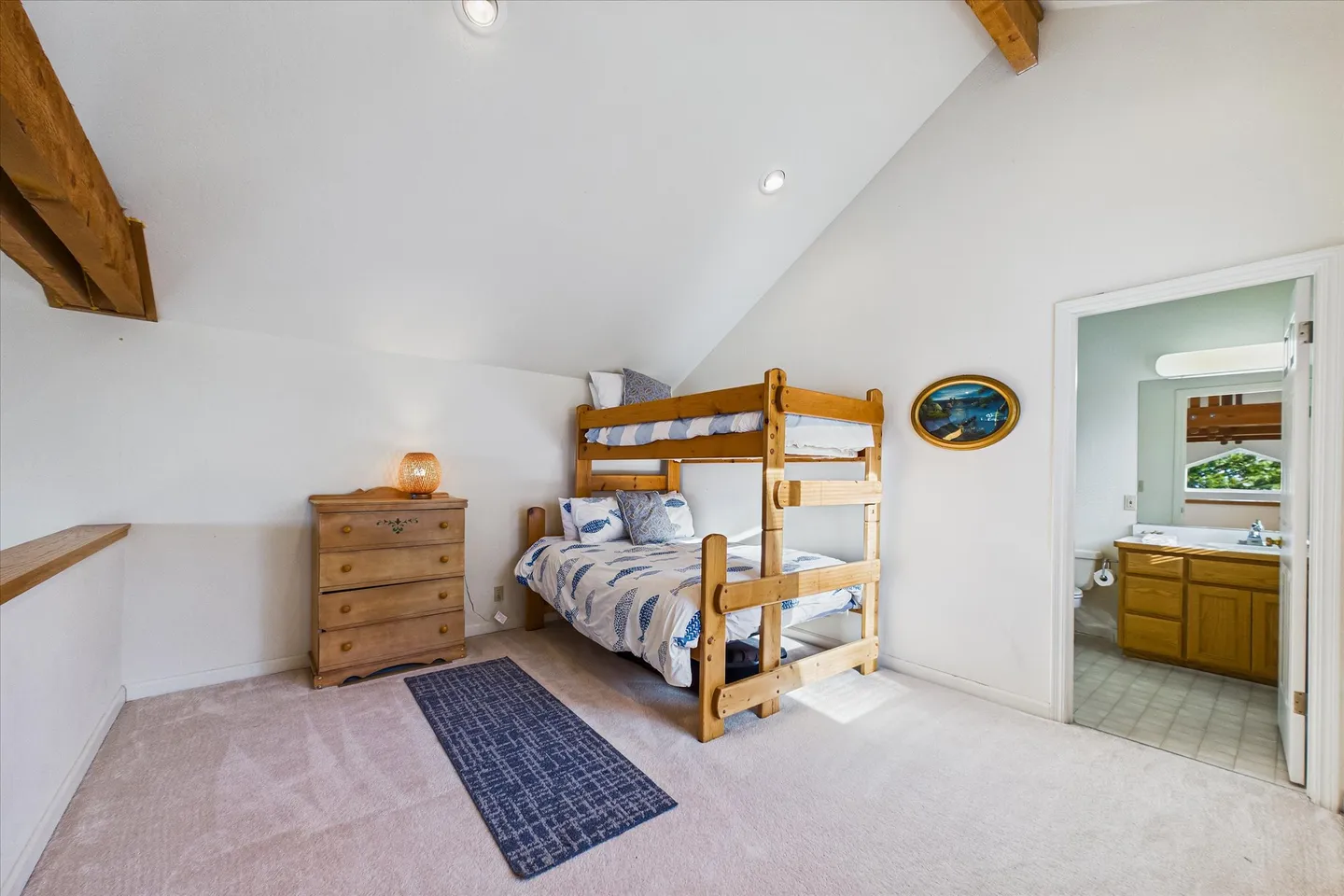
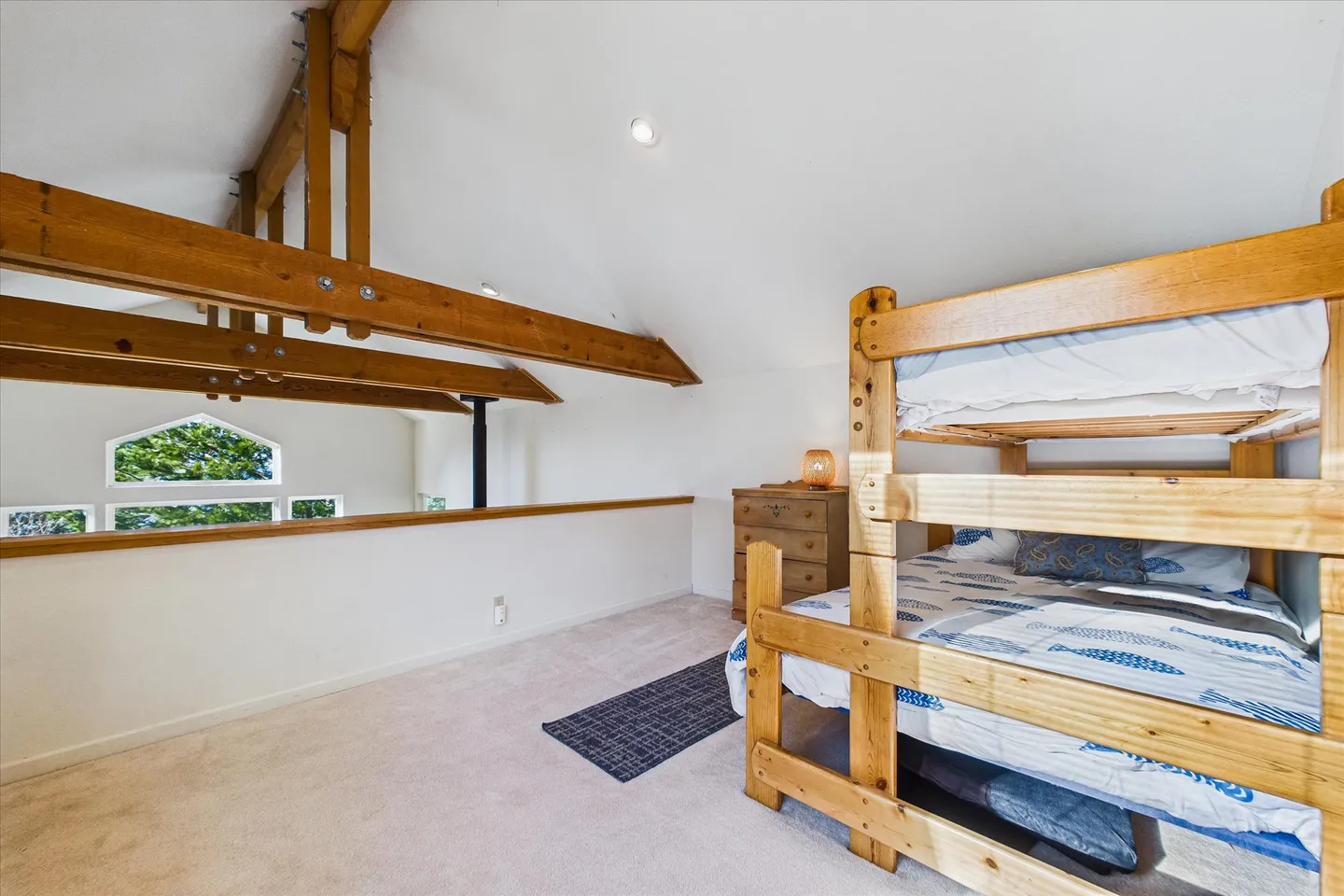
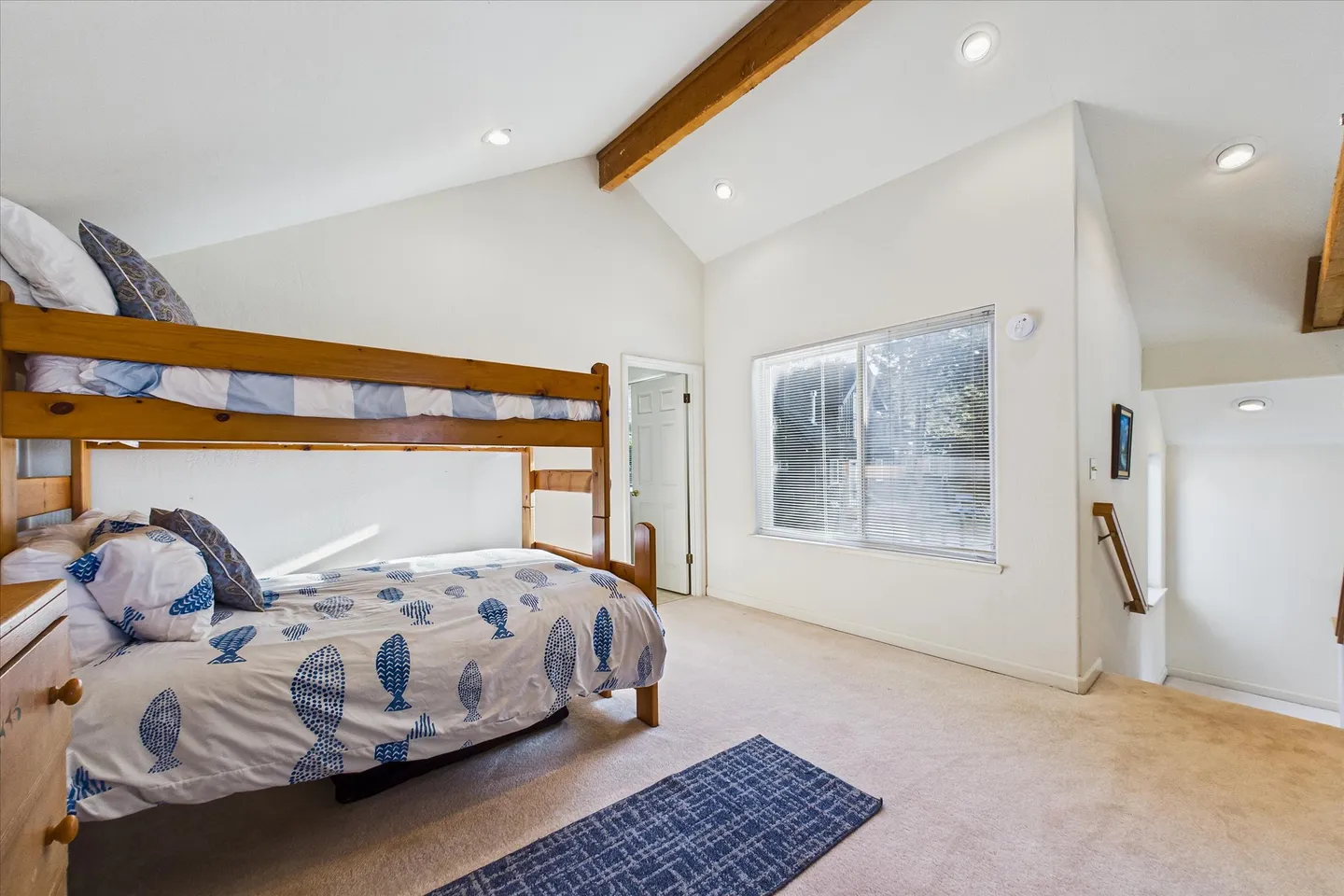
Loft: Bunk Bed - 1 Full Bed, 1 Twin
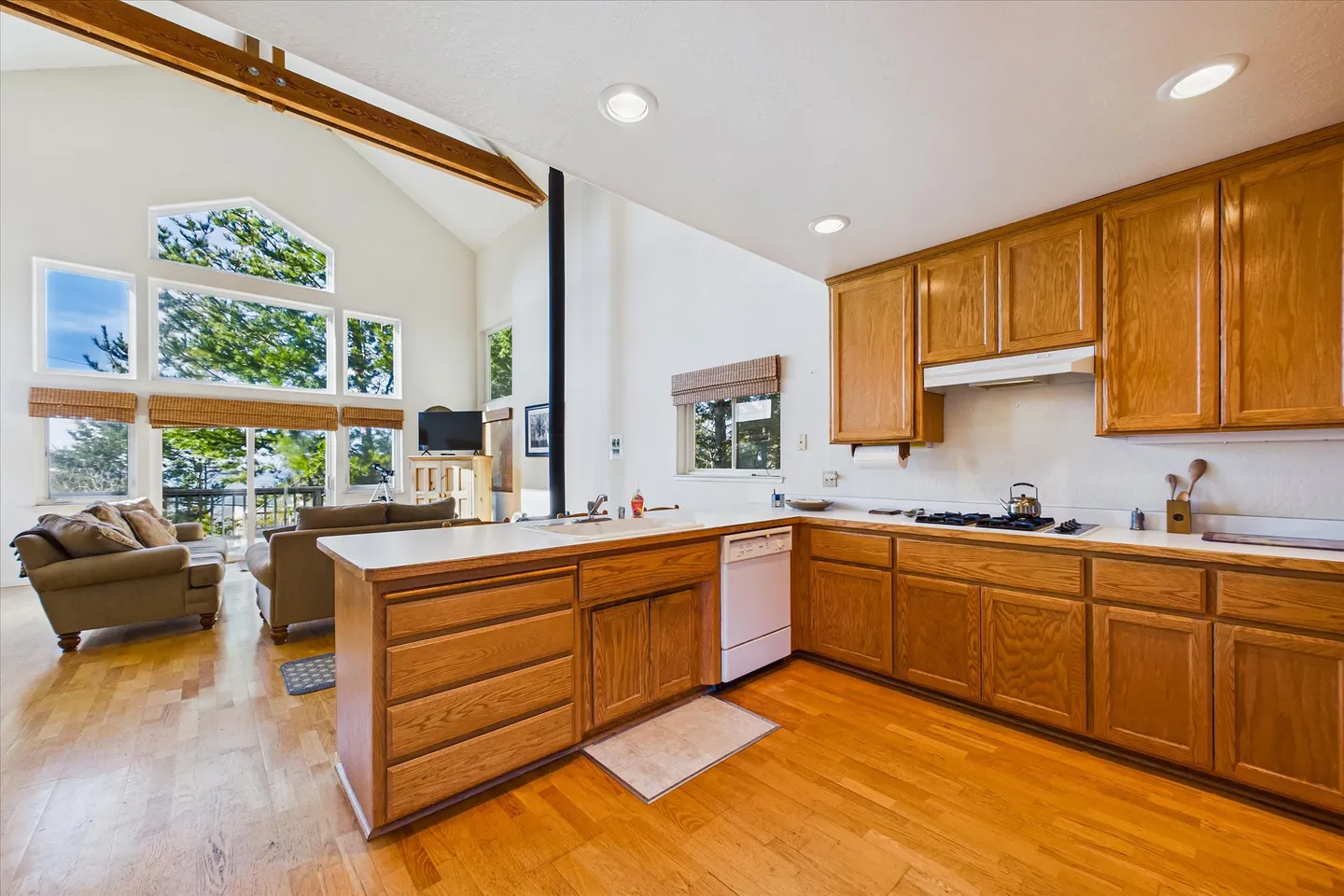
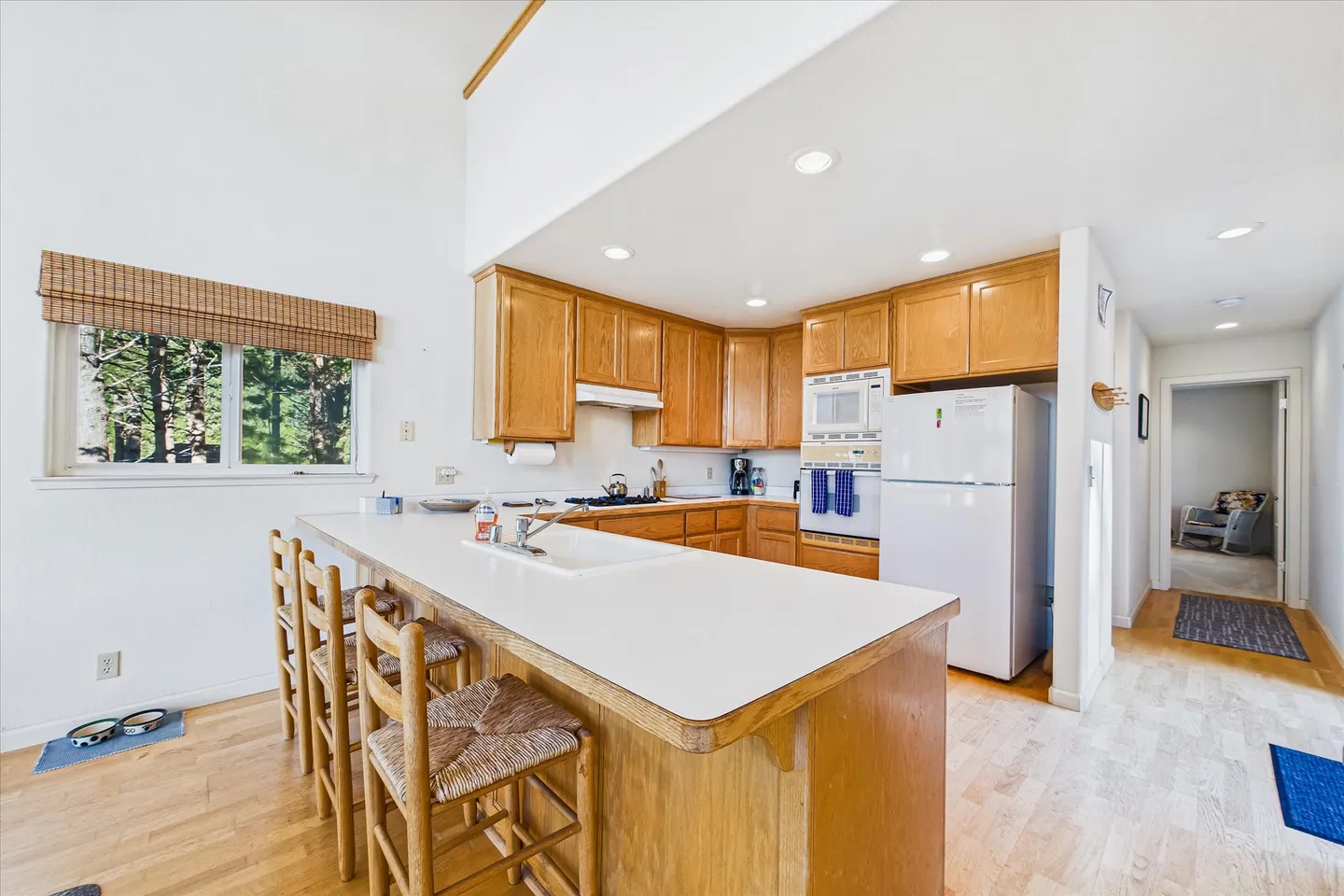
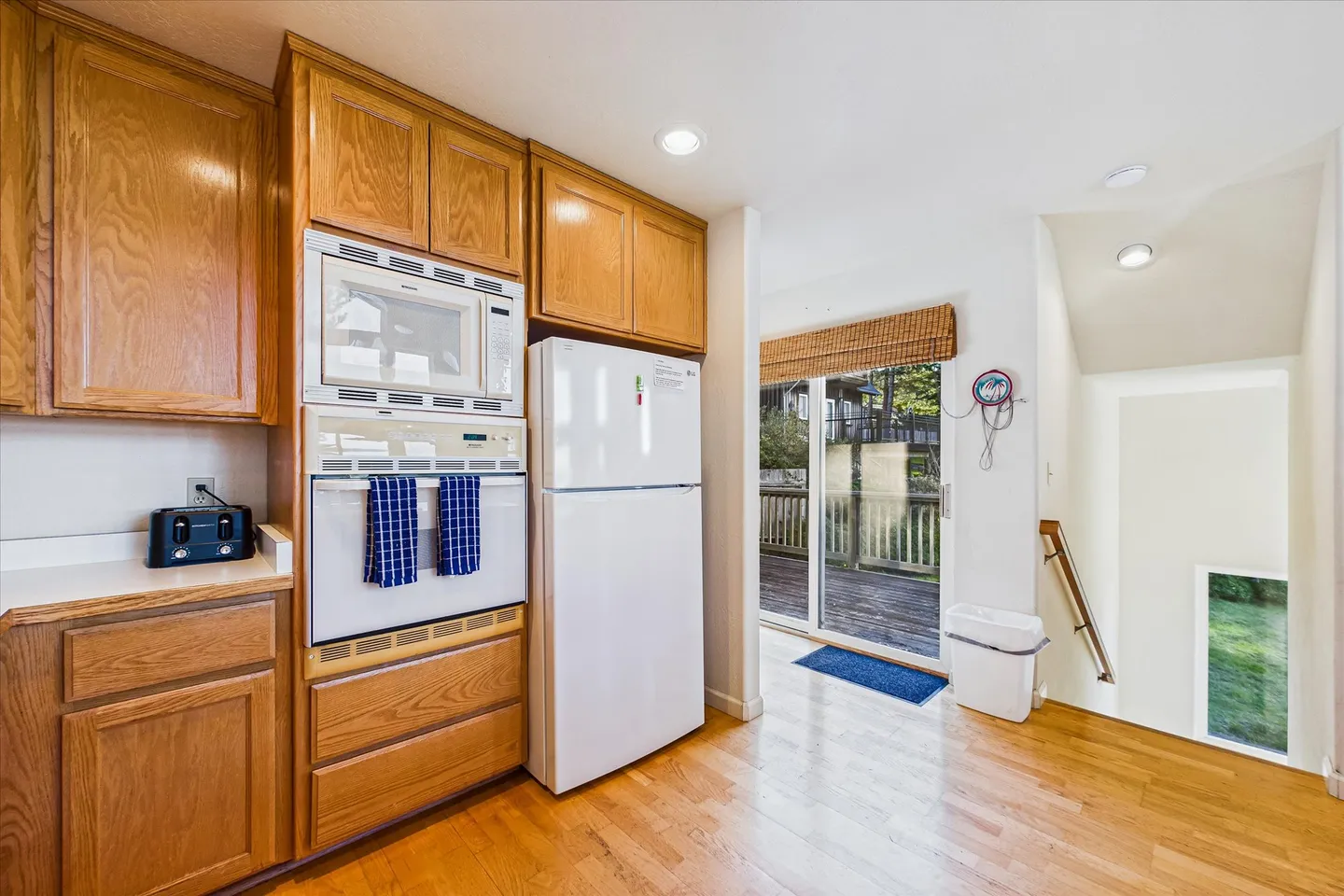
The kitchen is well equipped for home-cooked meals, making it easy to gather and share time together. Thoughtful details and practical amenities ensure a comfortable stay, whether you’re visiting for a weekend getaway or an extended retreat.
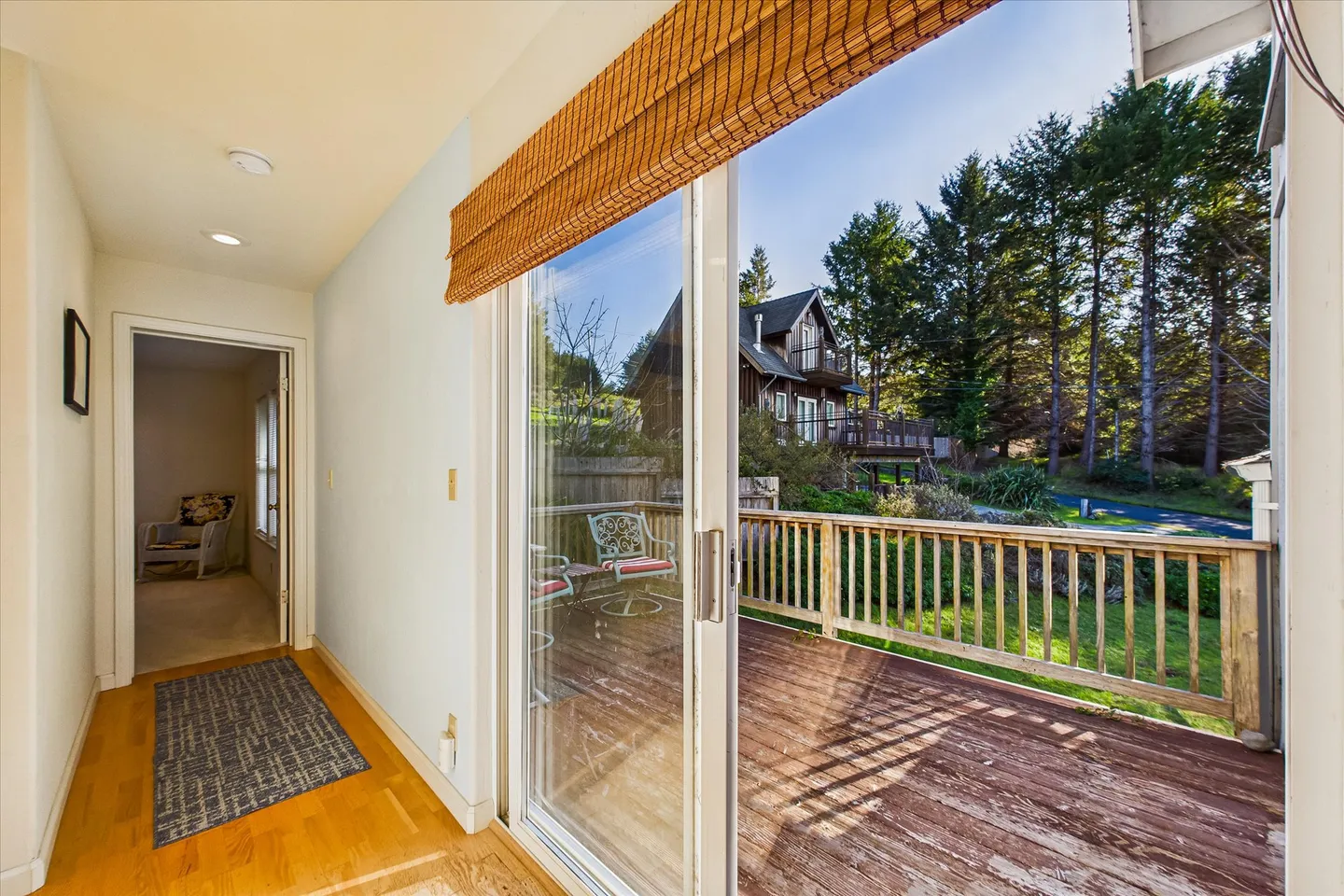
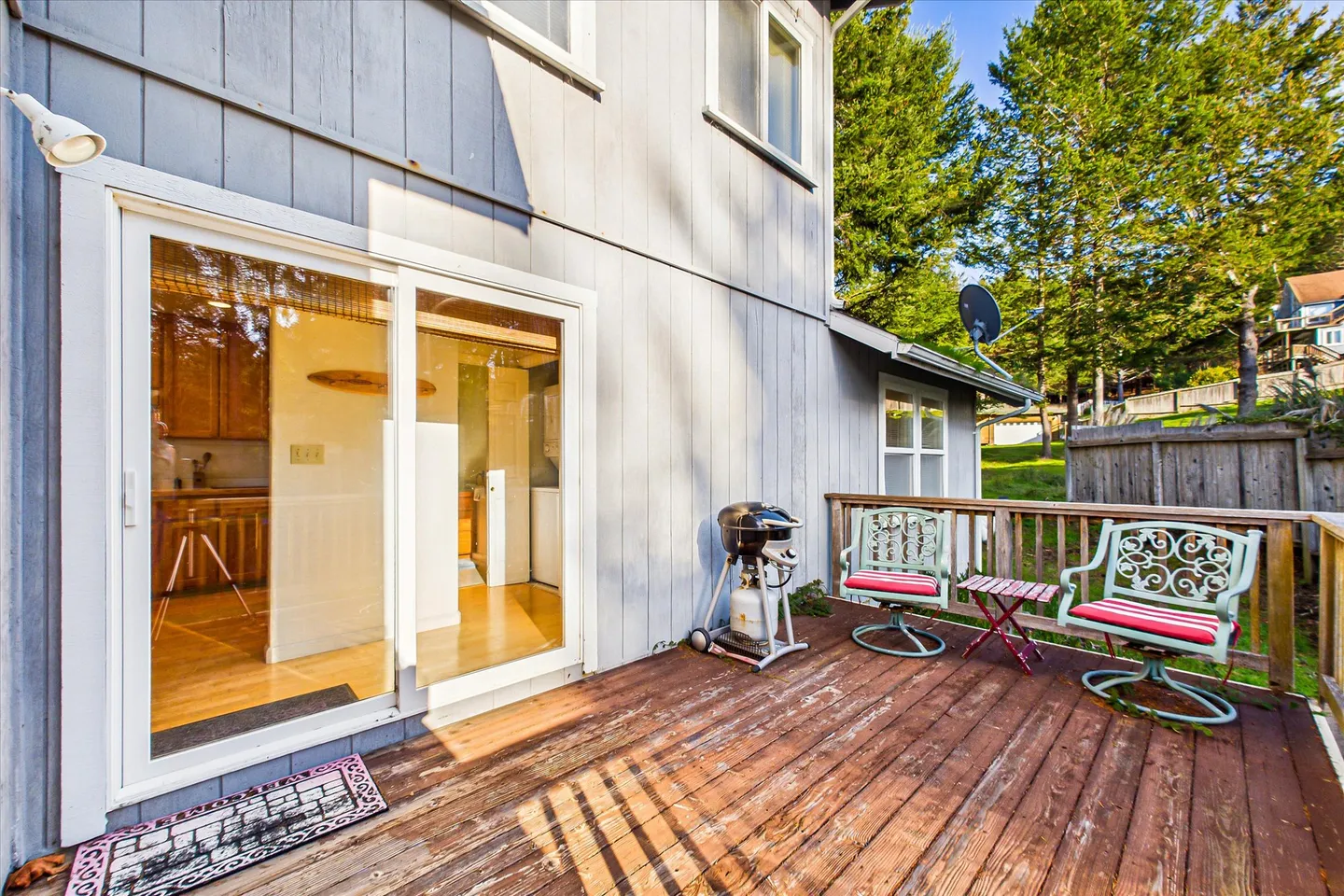
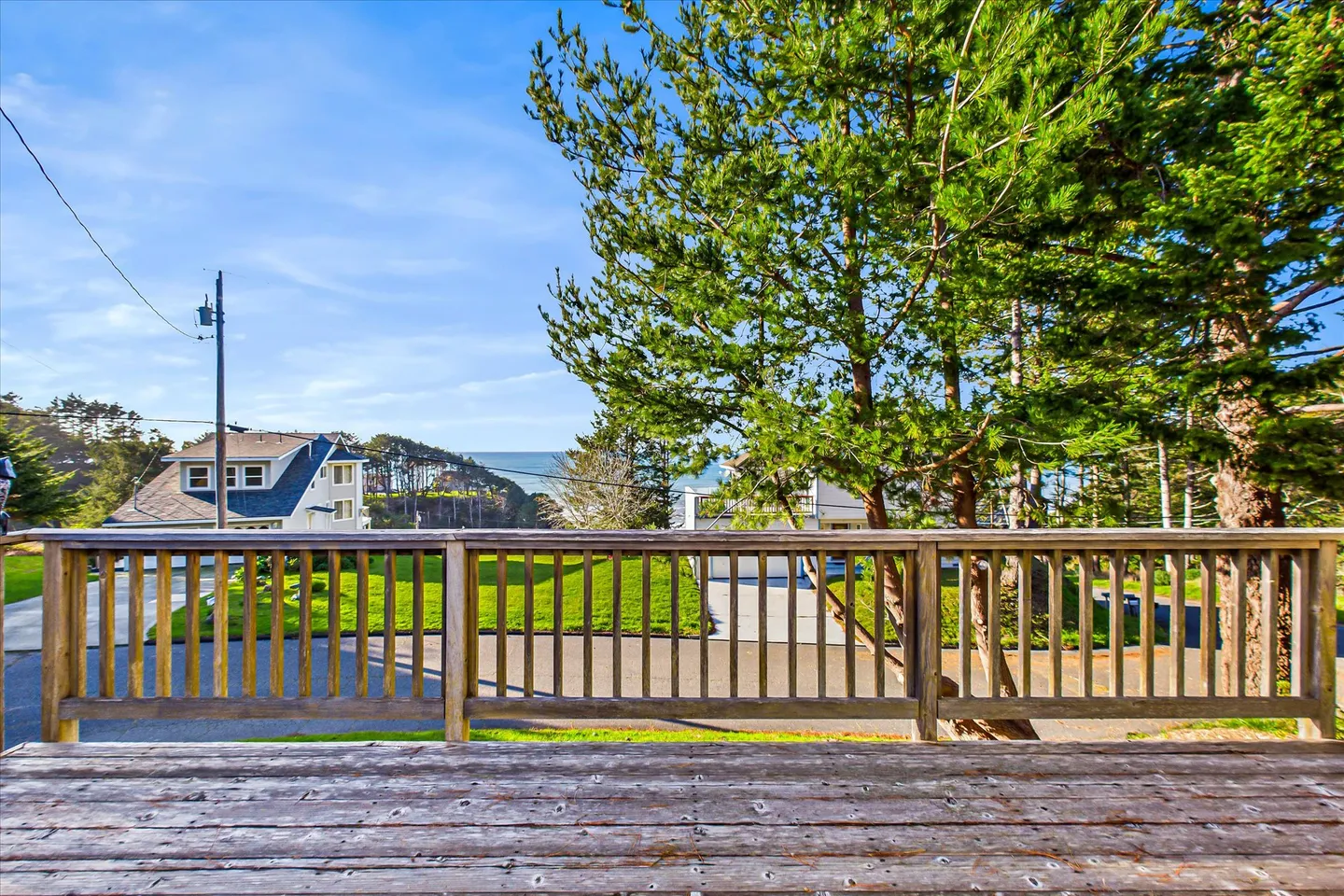
Step outside to enjoy expansive outdoor space designed for taking in the surrounding landscape. The deck is a highlight, offering a perfect place for morning coffee, sunset dinners, or stargazing under clear coastal skies. The setting feels private and serene, yet close enough to nearby coastal trails, beaches, and local attractions for easy day trips.
There are 2 bikes available for use, 1 surfboard with 1 men's large wetsuit.
This home is well suited for couples, families, or small groups seeking a relaxing coastal experience. One that balances rustic charm with everyday comforts. Whether your plans include hiking, beach combing, or simply unplugging and enjoying the view, this coastal retreat provides the space and atmosphere to make your stay truly memorable.
County tax number: 013453
What this place offers
- TV
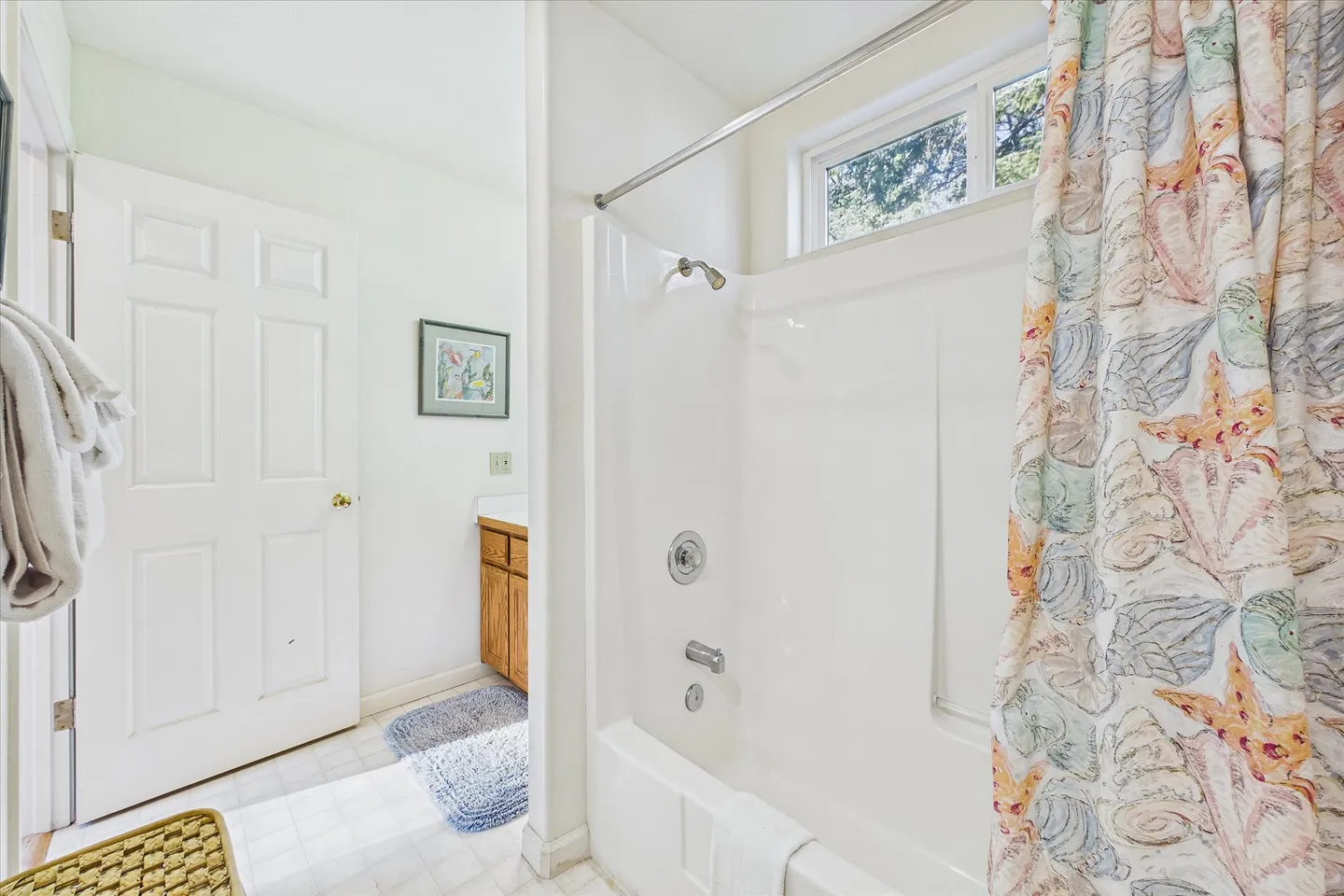
- Bathtub
- Shower
- Hair dryer
- Board games
- Books
- Heating
- Wood stove
- Wifi
- Baking sheet
Where you'll sleep
Whitethorn, CA, USA
About the neighborhood
Nestled along Northern California’s remote Lost Coast, this home is part of the peaceful seaside community of Shelter Cove, an area celebrated for its raw beauty, dramatic ocean views, and unspoiled landscapes. Life here moves at a slower pace, shaped by the rhythm of the ocean and the surrounding wilderness, making it an ideal destination for travelers looking to truly unplug and reconnect with nature.
The neighborhood is defined by rugged coastal bluffs, dense forested hillsides, and sweeping views of the Pacific. Nearby beaches invite guests to explore tide pools, stroll along black-sand shores, or simply sit and watch the waves roll in. Outdoor enthusiasts will appreciate easy access to scenic hiking and biking trails, including routes that lead toward the legendary Lost Coast, offering some of the most striking and untouched terrain in California.
Shelter Cove may feel remote, but it offers a welcoming local charm. Visitors can enjoy casual dining, craft beer, and ocean-view meals at well-loved local spots, as well as explore the marina area where sea lions, seabirds, and seasonal whale sightings are common. The iconic lighthouse and surrounding viewpoints add to the area’s coastal character and provide unforgettable photo opportunities.
Known for its quiet streets, star-filled skies, and strong connection to the natural environment, Shelter Cove is a destination where the surroundings become part of the experience. Whether you’re here for outdoor adventure, quiet reflection, or simply the beauty of the coast, the neighborhood offers a serene and inspiring backdrop for a memorable stay.
History & Facts About Shelter Cove:
Shelter Cove is a small, remote coastal community located along Northern California’s legendary Lost Coast—one of the most rugged and undeveloped shorelines in the continental United States. Its isolation is intentional; steep mountains, winding roads, and protected wilderness have kept the area largely untouched by large-scale development.
Long before modern settlement, the land was home to the Sinkyone people, a Native American tribe who lived along the coast and relied on fishing, hunting, and gathering. The name “Shelter Cove” comes from the natural protection the coastline provides from harsh ocean conditions, making it a safe harbor compared to the surrounding cliffs and rocky shores.
In the late 1800s and early 1900s, the area was used for logging, ranching, and small-scale fishing, though access was extremely limited. There was no road connecting Shelter Cove to the rest of Humboldt County until the mid-20th century, and even today the drive remains scenic and winding.
One of Shelter Cove’s most recognizable landmarks is the Cape Mendocino Lighthouse, originally built in 1868. The lighthouse was relocated to Shelter Cove in the 1990s and now sits overlooking the ocean near the marina, serving as both a historical monument and a popular viewpoint.
Shelter Cove is also the southern gateway to the Lost Coast Trail, a world-famous backpacking route known for its remote beaches, dramatic cliffs, and challenging terrain. The area is a haven for hikers, backpackers, anglers, wildlife watchers, and anyone seeking solitude and natural beauty.
Today, Shelter Cove remains a quiet, close-knit community known for its black-sand beaches, whale watching, star-filled night skies, and relaxed pace of life. With no stoplights, limited cell service in some areas, and an emphasis on nature over convenience, Shelter Cove offers a rare chance to experience California’s coast as it once was—wild, peaceful, and deeply connected to the ocean.
Read more
Getting around
Having a car is highly recommended when staying in Shelter Cove. The community is tucked away along the Lost Coast, and driving is the easiest way to explore nearby beaches, trailheads, and local dining spots. Roads are scenic but winding, offering beautiful coastal and forest views along the way.
For guests who enjoy cycling, bikes are a great option for shorter trips around the neighborhood. Quiet roads and coastal routes make for enjoyable rides, though some hills should be expected. Walking is also pleasant for nearby beach access and local viewpoints, especially for those looking to slow down and take in the surroundings.
Due to the area’s remote nature, ride-share services and public transportation are unavailable. Planning ahead and arriving with your own transportation will ensure the most flexibility and ease during your stay.
Whether you’re exploring by car, bike, or on foot, getting around here is all part of the experience, unhurried, scenic, and deeply connected to the natural landscape.
Read more
House rules
- Check-in after 4:00 PM
- Check-out before 10:00 AM
- 5 guests maximum
Safety & property
- Carbon monoxide alarm installed
- Fire extinguisher
- First aid kit
Cancellation policy
Add your trip dates to get the cancellation details for your stay.
This property is managed through Fairly. It is also available on sites like Airbnb and Vrbo, but the lowest price is always at Fairly.com. Avoid service fees by booking direct.
© 2026 Fairly Inc.
For homeowners